
When Is the Best Time of Year to Look for an Apartment in Taipei?
By Raytio Ray
Best time to rent apartment Taipei: late October to November or March to May. What to avoid, why CNY and Ghost Month matter, and how early to start planning.
What's the best time to rent apartment Taipei hunters can choose? Late October through November, with late March through May a close second. In both windows the student rush is over, landlords are back at their desks, and a good unit doesn't have a queue of other renters by the weekend. The worst times are late August to mid-September, when the new semester, new teachers and new hires all land at once, and the week or two around Chinese New Year, when half the city is on holiday.
How far ahead should you start? Start planning about two to three months before you need to move: set your budget, pick two or three areas, line up your documents and book a short-term place for your first weeks. But the actual search starts when you are physically in Taipei. Good units in this city rent within days, so nobody holds one for you from overseas. Once you're here and viewing in person, a focused search usually takes days to a couple of weeks, not months.
Best time to rent apartment Taipei: why the calendar matters
Taipei doesn't have a single "moving day" like some cities, but the market still has a rhythm. Four things drive it.
- University calendars. National Taiwan University's 2026 to 2027 academic calendar has fall classes starting on September 7, 2026 and spring classes on February 22, 2027. National Taiwan Normal University's calendar uses the same two dates. Every student who isn't in a dorm is looking in the four to six weeks before those dates.
- One-year leases. Most Taipei leases run 12 months. A big wave of leases that started in August and September comes up for renewal or move-out in the same months a year later, which is why summer has both the most listings and the most competition.
- Holidays and the lunar calendar. Chinese New Year shuts much of the city down for a week, and Ghost Month (鬼月) makes some locals avoid moving at all.
- Weather. The plum rain season and typhoon season don't change demand much, but they change what you can learn at a viewing.
None of this is a law of nature. A landlord whose tenant just left wants the unit filled in any month. Think of the calendar as setting the odds, not the outcome.
The busy seasons: when competition is highest
Late July to mid-September: the big one. This is the peak of the Taipei rental season. International students, exchange students, new English teachers starting the school year and new hires all arrive within a few weeks of each other. Units near NTU, NTNU, NCCU and the Gongguan, Guting and Taipower Building areas move fastest. In this window a good studio can draw several inquiries on the day it's listed, and landlords have little reason to negotiate. Our guide to renting near NTU vs other Taipei campuses covers which pockets feel the student rush most.
Late January to February: the smaller second wave. Spring semester starts on February 22, 2027, so exchange students and mid-year hires start looking in late January and the two weeks after the holiday. It's a smaller wave than late summer, but it lands right on top of Chinese New Year, which squeezes it into fewer working days.
Company onboarding waves. If you're joining a large employer, ask HR whether others start the same week; a cohort of new hires often looks at the same buildings.

Photo: 玄史生 via Wikimedia Commons, CC0
Chinese New Year rental Taipei: plan around it, don't land in it
The government's official 2027 office calendar, published by the Directorate-General of Personnel Administration (行政院人事行政總處), sets the Lunar New Year break for February 4 to February 10, 2027, seven days off in a row.
What that means for your search:
- The week of the holiday is close to dead. Many landlords go back to their hometowns, agents close, and moving companies are either booked or charging holiday rates. Viewings are hard to arrange.
- The two weeks before are rushed. Some tenants want to move before the break, and landlords want leases signed before they leave.
- The two weeks after are busy again, because pent-up searches restart at the same time as the spring semester wave.
If you can choose, don't arrive in late January expecting to sign by the holiday. Either finish by mid-January or arrive after the holiday and give yourself a full two weeks. The 228 Peace Memorial Day long weekend follows soon after, from February 27 to March 1, 2027.
Ghost Month: a real effect, but smaller than people say
The seventh lunar month is Ghost Month, when many Taiwanese avoid big decisions like buying property or moving house. According to the Hong Kong Observatory's lunar calendar tables for 2026 and 2027, Ghost Month ran from August 13 to September 10, 2026, and will run from August 2 to August 31, 2027.
Fewer locals sign leases or move during those weeks, so some landlords with empty units become more flexible. The catch: in both years, Ghost Month overlaps the student rush. Foreign students and teachers don't care about Ghost Month and still need a place by early September, so the market doesn't go quiet. What you get is a slightly better mood for negotiating with local landlords, not an empty market. Our guide to Taiwanese culture before you arrive explains the customs around it.
Plum rain and typhoon season: why viewing in the rain helps
Taipei's rainy season, the plum rain (梅雨), usually runs from May to June, and typhoons are most likely between July and October. Neither changes demand much. But both are useful if you're viewing apartments.
A unit looks perfect on a dry, sunny afternoon. On a wet day you can see what you'd otherwise only learn after signing:
- Water stains or fresh paint patches around windows and on the ceiling
- A musty smell that a dehumidifier was hiding
- Whether the window frames leak or rattle in wind
- How the lane drains, and whether the ground floor entrance floods
- Whether the bathroom fan and window actually move damp air out
So don't cancel a viewing because it's raining. Go, and look harder. Check the Central Weather Administration (中央氣象署) forecast before a viewing day during typhoon season, since a typhoon day (颱風假) will cancel everything anyway. Our checklist on humidity, mold and typhoons tells you exactly what to look for.
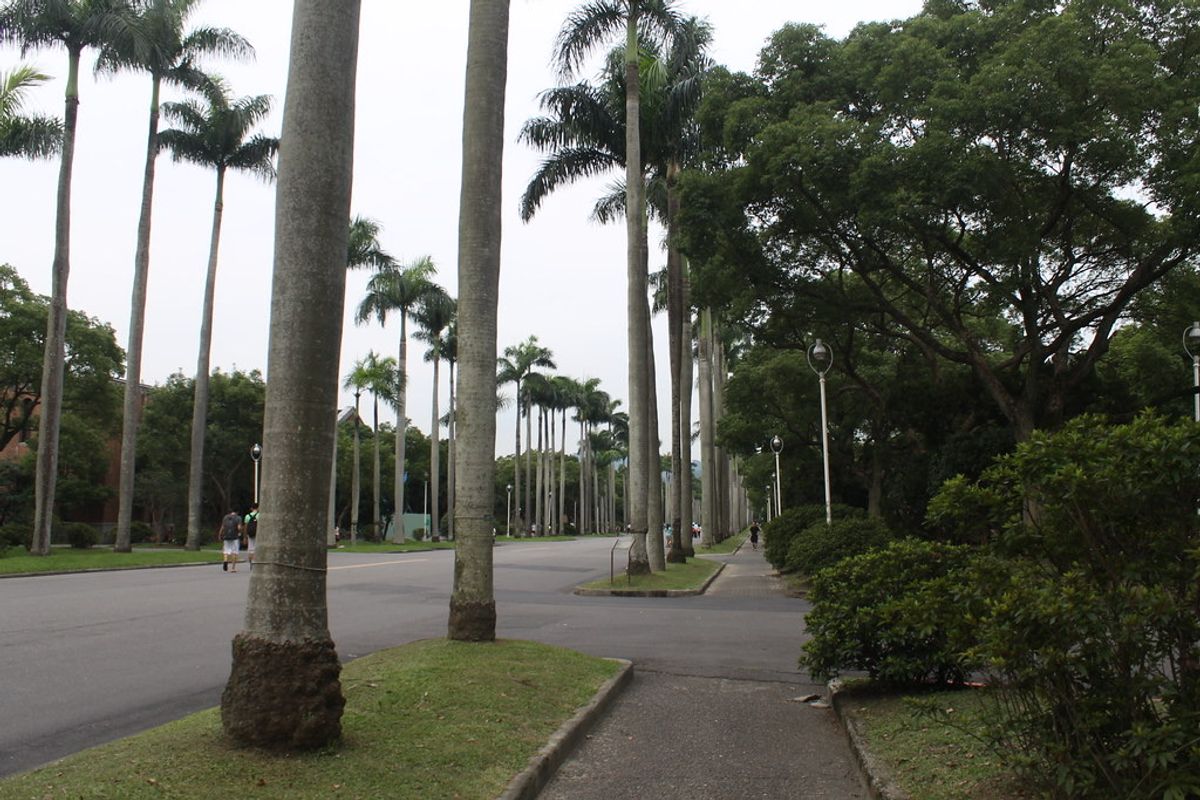
Photo: ironypoisoning via Flickr, CC BY-SA 2.0
The quiet windows: when Taipei apartment availability works for you
Late October to November. The student rush is over, Ghost Month is past, and Chinese New Year is far enough away that landlords aren't thinking about it. Units that didn't rent in September are often still sitting there, and their owners are more open to a conversation about price or move-in date. Fewer people are viewing the same apartment, so you have time to compare two or three places properly.
Late March to May. After the spring semester settles and before the summer rush, the market is steady. Listings are fewer than in summer, but so are competitors. This is also the window before the plum rain gets heavy, if you'd rather view on dry days, though as above, a rainy viewing teaches you more.
What doesn't change in quiet months: rent levels. There's no reliable published index of Taipei rents by month. What tends to change with the season is the *room to negotiate*, more than the asking price. In quiet months, a landlord with an empty unit is more likely to agree to a small discount for a longer lease, a later move-in date or repairs before you move in. Our guide on negotiating rent with a Taiwanese landlord covers what's realistic. For the actual price ranges by district, see what it costs to rent in Taipei in 2026.
Lease cycles: the timing that's already set for you
If you're already in Taipei and moving between apartments, your own lease matters more than any season.
1. Find your notice period. Most leases ask for notice one to two months before the end date if you won't renew. Check your contract, not your memory. Our guide on what happens when your lease ends walks through renewal, notice and getting your deposit back.
2. Search in the last four to six weeks. Start viewing roughly a month before your move-out date. Earlier than that, most landlords won't hold a unit for you; later, you're signing in a hurry.
3. If your lease ends in August or September, consider renewing for a shorter term or a different length. Landlords sometimes agree to adjust the end date so it lands in a quieter month next time. It's worth asking.
How to plan if you're moving from overseas
Here's the order we'd follow, whatever month you're arriving:
1. Two to three months out: decide budget, must-haves and two or three target areas. Read up on how to read a Taiwanese rental listing so you know what 押二付一 and 坪 mean.
2. One month out: book one to two weeks of short-term accommodation. Our guide on where to stay your first two weeks in Taipei compares the options by area.
3. On arrival: start viewing in person in the first few days. If you don't have an ARC yet, read the ARC chicken-and-egg problem first, because the order of lease and ARC matters. Our overview of the path from visa to ARC covers the deadlines.
4. In a busy month: be ready to decide at the viewing. Bring documents, know your ceiling, and don't sleep on a good unit. Our list of what to bring to your first viewing helps.
5. In a quiet month: take an extra day to compare, and use the time to negotiate terms.
Timing the search with TRA
This is the core of what TRA does: we run your search in person, so the calendar works for you instead of against you.
- We plan your arrival with you. In the consultation we go through your budget, area and needs, and look at your dates. If you're landing in a peak week, we'll tell you, and suggest booking a short-term base so you're not searching under pressure.
- We line up listings and view them with you. Once you're in Taipei, we arrange viewings and go with you, handling all landlord communication and negotiation in Chinese on the spot. In busy months that speed matters; in quiet months it's how you get the better terms.
- We go through the contract clause by clause before you sign, then help you finalize the deposit and signing.
Once the in-person search starts, finding the right place typically takes anywhere from 3 to 5 days up to about 1 to 2 weeks. You pay a deposit when we start and the balance once you've found your home; we quote individually. See how our service works or tell us your dates.
Our pick
If you can choose, arrive in late October or November and start viewing in your first week. You'll have the calmest market of the year, landlords who are glad to hear from you, and time to compare. Second choice: late March to May. If your job or school pins you to late August or September, arrive at least two weeks before your start date, book short-term accommodation, and be ready to sign at the viewing. And avoid planning your signing for the week of February 4 to 10, 2027. Whatever month you land in, we can plan the search around your dates.
FAQ
What is the best month to rent an apartment in Taipei?
November is our pick, with late October close behind. The student and new-hire rush is over, Ghost Month is past, and landlords aren't yet distracted by Chinese New Year.
How far in advance should I look for an apartment in Taipei?
Plan two to three months ahead, but start the real search when you're in Taipei. Landlords rarely hold units for someone overseas, and a focused in-person search usually takes days to two weeks.
Is it hard to find an apartment in Taipei in August or September?
It's the most competitive time of year, especially near universities, because classes start on September 7, 2026. It's very doable, but you need to view quickly and be ready to decide on the spot.
Is it a bad idea to look for an apartment during Chinese New Year?
The holiday week itself (February 4 to 10, 2027) is close to useless for viewings because many landlords and agents are away. Finish before mid-January or start right after the holiday.
Are rents cheaper in winter in Taipei?
There's no reliable public index showing that asking prices change much by season. What changes is flexibility: in quiet months, landlords with empty units are more open to small concessions on rent, move-in date or repairs.