
What Happens When Your Lease Ends: Renewal, Moving Out, and Getting Your Deposit Back
By Raytio RayUpdated
Taiwan lease renewal explained: what happens if you just stay on, how much notice to give, the joint walk-through, getting your deposit back and free mediation.
When a Taipei lease ends, one of three things happens: you sign a renewal, you move out after a joint walk-through and get your deposit back, or you simply stay on and the lease quietly becomes open-ended. That last one surprises people, and it's the most misunderstood part of Taiwan lease renewal. Under Taiwan's Civil Code, if you keep living there after the end date and the landlord doesn't promptly object, the lease continues with no fixed term. It's legal, but it leaves both sides with less certainty.
Our recommendation: decide two months before the end date whether you're staying, and put a Taiwan lease renewal in writing with the new rent and term rather than drifting. If you're leaving, book the walk-through with the landlord, clean the flat properly, photograph everything, and know that a deposit dispute can go to free government mediation before it ever goes near a court.
Your timeline: two months before the end date
- When: 2 months before | What to do: Reread your contract: notice period, renewal terms, early-termination clause. Decide: stay or go.
- When: 6 to 8 weeks before | What to do: Tell the landlord in writing (a LINE message is fine as a record). If staying, ask about the new rent.
- When: 1 month before | What to do: If leaving: start the next search, book movers and cleaning. If staying: sign the renewal.
- When: Last 2 weeks | What to do: Arrange final meter readings, cancel or transfer internet, sell or dispose of anything you bought.
- When: Move-out day | What to do: Joint walk-through, hand back keys, agree the deposit amount in writing.
- When: Within 30 days of moving | What to do: Register your new address with the National Immigration Agency.
Two months sounds early, but it's the notice period many Taipei leases ask for, and it gives you a full month to search if you're leaving. It also gives the landlord time to find the next tenant, which tends to make them more relaxed about the walk-through and the deposit. Leaving everything to the last week is how people end up paying for two flats at once, or handing back a flat they didn't have time to clean.
Taiwan lease renewal: what the law says
If you sign a new contract, it's a fresh lease. Rent can change at renewal. During a lease, the Ministry of the Interior's rules for standard leases say the landlord can't raise rent for any reason, which is why a longer renewal is worth asking for if you like the flat.
If you just stay on, Article 451 of the Civil Code says a lease continues with no fixed term when the tenant keeps using the home after expiry and the landlord doesn't immediately object. Rent continues as before. The model lease also lets a landlord who wants you out state clearly that they're not continuing, and then claim rent and a penalty for each month you stay.
Our view: an open-ended lease is fine for a month or two of transition, but get a written renewal if you plan to stay. It protects your rent and makes your ARC address and any tax deduction straightforward.
Ask early about a rent increase. If the landlord wants more, you have time to negotiate or look elsewhere. Our guide on how to negotiate rent with a Taiwanese landlord works for renewals too: a two-year commitment is your best card.
Moving out of a Taipei apartment
Notice. Check your contract. Many leases ask for one to two months' notice before the end date if you're not renewing. If you're leaving before the end date and your lease allows early termination, the model lease requires at least one month's notice, and a penalty for skipping notice can't exceed one month's rent.
The walk-through. Article 12 of the Rental Housing Market Act says the handover of the home and its equipment should be done by both sides together. If one side won't show up after being given a reasonable deadline, the handover counts as done. Items you leave behind can be treated as abandoned after a written reminder, with disposal costs taken from the deposit.
Registration. The model lease expects you to move your registration out of the address. For foreigners, that means registering your new address with the National Immigration Agency within 30 days of moving, according to its residency guidelines. Our sister site explains updating your ARC address after you move.
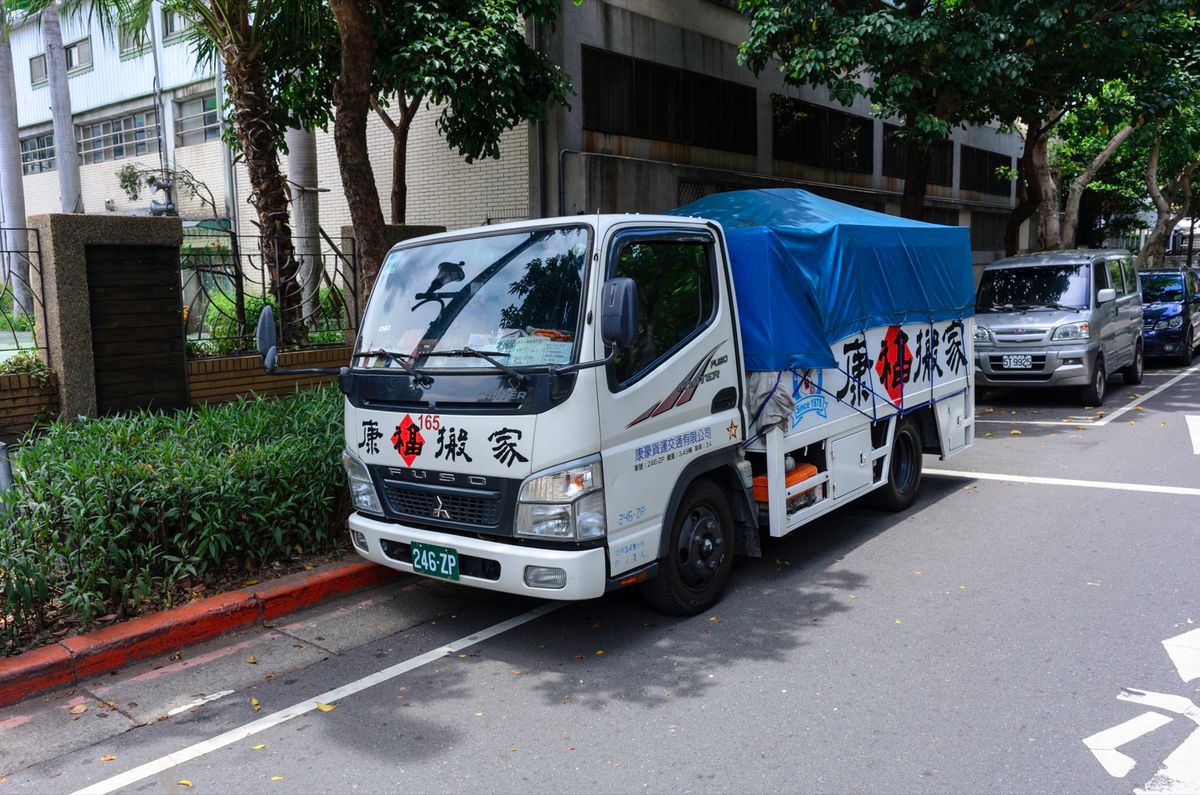
Photo: 玄史生 via Wikimedia Commons, CC0
How the rental deposit return works in Taiwan
The deposit can't be more than two months' rent, and the landlord must return it, or what's left after deducting debts, when the lease ends, you hand the home back and you've settled what you owe (Article 7).
What a landlord can legitimately deduct:
- Unpaid rent and unpaid bills (electricity, gas, management fee) up to move-out.
- Damage beyond normal use, such as a broken fixture, holes in walls, burns or large stains.
- Cost of disposing of things you left behind, after giving you a chance to collect them.
What's normally not deductible: ordinary wear from living there, like faded paint, light scuffs or worn flooring, and repairs to equipment that simply aged.
Many landlords hold back the deposit until the final electricity bill arrives. That's reasonable if it's a matter of days or weeks and they tell you the amount in writing.
Common deductions and how to avoid them
- Deduction landlords often propose: Cleaning fee | Fair?: Fair if the flat is dirty, not as an automatic charge | How to avoid it: Hand it back professionally cleaned, with photos
- Deduction landlords often propose: AC cleaning | Fair?: Depends on the contract | How to avoid it: Check whether the lease says who cleans the AC; keep receipts if you had it done
- Deduction landlords often propose: Repainting walls | Fair?: Not for normal fading; fair for large marks or holes | How to avoid it: Use removable hooks; fill small holes before you leave
- Deduction landlords often propose: Mold on walls or silicone | Fair?: Disputed often; damp is partly the building | How to avoid it: Run a dehumidifier, ventilate the bathroom, report leaks in writing as they happen
- Deduction landlords often propose: Broken appliance | Fair?: Only if you caused it | How to avoid it: Report faults when they happen, so they're on record as wear
- Deduction landlords often propose: Last electricity bill | Fair?: Fair | How to avoid it: Read the meter together on move-out day and photograph it
- Deduction landlords often propose: Leftover items | Fair?: Fair, after a written reminder | How to avoid it: Clear everything, or get written agreement to leave furniture
The pattern is simple: problems you reported in writing during the lease are hard to blame on you at the end. A LINE message saying "the bathroom fan stopped working today" in March is worth a lot in a deposit conversation in December.
Protect your deposit from day one
The single best protection happens at move-in, not move-out: dated photos and a short video of every room, appliance and existing mark, sent to the landlord on LINE. Our apartment viewing checklist explains what to photograph, and the condition report in a normal Taipei rental contract is where existing damage should be written down.
Before the walk-through:
- Clean thoroughly, including inside the fridge, the AC filters and the bathroom grout. Cleaning charges are one of the most common deductions.
- Fill small screw holes, replace dead bulbs, and put back anything you moved out of the way.
- Take your own photos the morning of the walk-through.
- Agree the final deposit amount in writing, even if it's just a LINE message.
Taiwan tenant deposit disputes: what to do
1. Ask for an itemized list. "Damage" with no detail isn't enough. Ask what, how much, and on what evidence.
2. Compare with your move-in photos. Many disputes end here.
3. Put your position in writing, calmly, with photos attached.
4. Use free mediation. Under Article 16 of the Rental Housing Market Act, either side can ask the city government to mediate a housing rental dispute with no fee. District offices also run mediation committees, which by law can't charge anything beyond actual inspection costs (Article 23 of the Township and City Mediation Act).
5. Small claims court as a last resort. Money claims of NT$100,000 or less go through the simplified small claims procedure (Article 436-8 of the Code of Civil Procedure), which covers most deposit disputes.
A landlord who sees you have dated move-in photos and know about free mediation has every reason to settle quickly.
Cleaning and moving out, handled
The last two weeks of a lease are the worst time to scrub a flat yourself while also packing and searching. Our sister service, TRA Live, can help:
- [Move-out cleaning](https://live.tra-tw.com/services/cleaning) so the flat is ready when the landlord walks through, which removes an easy reason for a cleaning deduction.
- [Moving help](https://live.tra-tw.com/services/moving) and post-move cleanup.
We quote individually. If you're leaving Taiwan altogether, our sister site's leaving Taiwan checklist covers bank accounts, health insurance and the rest.
Moving to a new flat? Let TRA find it
If the lease is ending because you want somewhere better, start the search about a month before your end date.
- We start with a consultation on what didn't work in the current flat and what you need next.
- We line up and view listings with you, handling the landlord conversations and negotiation in Chinese, and time the new lease to overlap your old one by as little as possible.
- We go through the new contract clause by clause before you sign, then help finalize the deposit and signing.
Once the in-person search starts, finding the right place typically takes anywhere from 3 to 5 days up to about 1 to 2 weeks. You pay a deposit when we start and the balance once you've found your home; we quote individually. See how our service works.
Our pick
Decide two months out. If staying, sign a written renewal, ideally for two years at a fixed rent. If leaving, give written notice, book a professional clean, do the walk-through together with photos, and agree the deposit in writing on the day. If you'd like help with the next flat, contact us here.
FAQ
Does a Taiwan lease renew automatically?
Not as a new fixed-term lease. If you keep living there after it ends and the landlord doesn't object, it continues with no fixed term under Article 451 of the Civil Code. Sign a written renewal if you plan to stay.
Can my landlord raise the rent when I renew?
Yes. Rent is fixed during a lease under the model terms, but a renewal is a new agreement, so the rent can be renegotiated.
How long does a landlord have to return my deposit in Taiwan?
The law ties the return to the end of the lease, the handover and settling what you owe. Many landlords wait for the final electricity bill, then transfer the balance. Agree the date and amount in writing on move-out day.
What can a landlord deduct from my deposit?
Unpaid rent and bills, damage beyond normal use, and the cost of disposing of items you left. Ordinary wear and tear shouldn't be deducted.
What can I do if my landlord won't return my deposit?
Ask for an itemized list, compare it with your move-in photos, then apply for free mediation through the city government or your district office. Claims of NT$100,000 or less can go to small claims court.