
Is Taipei Safe for Foreigners? The Real Risks, Ranked
By Raytio Ray
Is Taipei safe for foreigners? Yes. Violent crime is rare. The real risks, ranked: traffic, scams, earthquakes and typhoons, then petty theft, plus what to do.
Is Taipei safe for foreigners? Yes, and by most measures it is one of the safest big cities you can move to. Violent crime against foreigners is rare, people walk home alone after midnight, and a phone left on a cafe table is usually still there when you come back. The UK government's travel advice puts it bluntly: "Crime rates are extremely low in Taiwan."
The risks that actually hurt foreigners here are different from the ones people worry about before they arrive. Ranked by how likely they are to affect you: traffic is the big one, then scams, then earthquakes and typhoons, and only after that petty crime. Below we go through each, then cover women and nighttime safety, which neighborhoods feel calmest, and the safety checks that matter most when you choose an apartment.
Is Taipei safe for foreigners? What the data says
There is no single perfect number for "safety," so it helps to look at a few different sources and see whether they agree. They do.
- Government travel advice. The UK's Foreign Office says crime rates are extremely low, and focuses its warnings on traffic, earthquakes and typhoons rather than crime. That is a good summary of life here.
- Crowdsourced perception. On Numbeo's Taipei page, a crowdsourced site where residents rate their city, Taipei shows a Safety Index of 83.52 and a score of 84.97 for walking alone at night (388 contributors, last updated 24 August 2026). Treat this as opinion data, not police statistics, but it matches what you hear from people who live here.
- Where the police put their effort. Taiwan's National Police Agency runs a whole separate platform and hotline just for fraud (more on that below). When a government builds dedicated infrastructure for one kind of crime, that tells you where your own attention should go.
Our honest read, after accompanying renters to viewings around the city since 2017: the thing most likely to hurt you in Taipei is a turning car, and the thing most likely to cost you money is a message on your phone.
Risk 1: Traffic is the real danger
This is the one most guides underplay. Taiwan's roads are statistically far more dangerous than its streets are criminal. According to the Ministry of Transportation's road safety dashboard, 1,569 people died in traffic crashes in Taiwan in January to July 2026 (30-day deaths), including 183 pedestrians. Both numbers are down from the same period in 2023 (by 12.3% and 9.0%), so things are improving, but they are still high for a country of Taiwan's size.
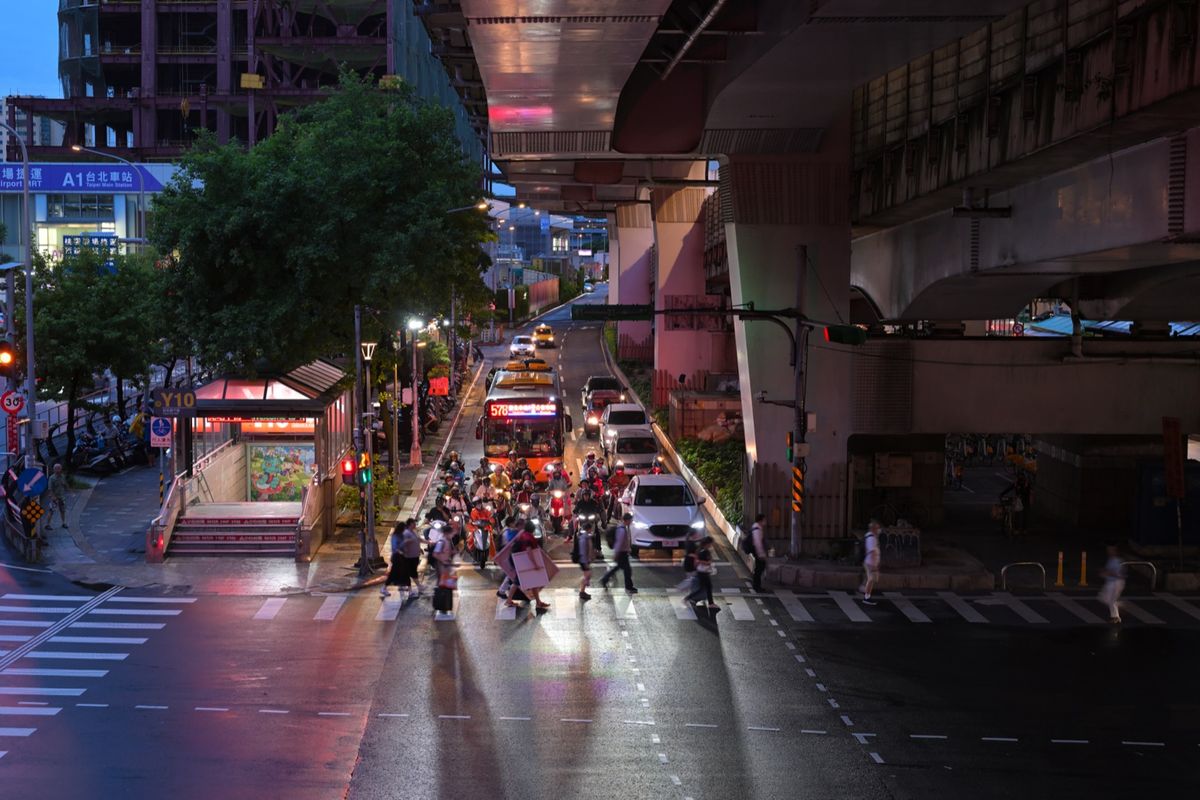
Photo: 4300streetcar via Wikimedia Commons, CC BY 4.0
What this means in practice:
- Turning cars are the main threat at crossings. A green walking signal does not mean turning vehicles will yield. Look over your shoulder before you step out, every time.
- Scooters come from everywhere. They filter between cars, ride the edge of crossings and sometimes cut through arcades (騎樓, the covered walkways in front of shops).
- Many lanes have no sidewalk. In residential lanes (巷), you share the road with cars, scooters and delivery riders. Walk facing traffic where you can.
Our full guide to pedestrian safety in Taipei goes deeper. If you plan to ride a scooter yourself, take it seriously: proper license, proper helmet, and a few weeks of watching how locals ride before you join them.
Risk 2: Scams are how foreigners actually lose money
Fraud is Taiwan's signature crime, and it reaches foreigners too. The National Police Agency runs a dedicated anti-fraud site and hotline, 165, because the problem is large enough to need one. The common patterns:
- Fake officials. Calls claiming to be from the police, a prosecutor, a bank or a government office, telling you your account is involved in a crime.
- Investment and romance scams that start on LINE, Instagram or dating apps.
- Fake online shops and "customer service" calls asking you to change a payment setting.
- Rental scams. Someone sends photos of a lovely apartment and asks for a deposit before you have seen it. We cover these in detail in our guide to common rental scams targeting foreigners in Taipei.
The simple rule: no real Taiwanese authority will ask you to move money over the phone, and no real landlord needs your deposit before you have stood inside the unit. If in doubt, hang up and call 165. Our partner guide on scams in Taiwan and how to spot them has the current versions in more detail.
Risk 3: Earthquakes and typhoons
Taiwan sits on an active fault zone. Small quakes are part of normal life, and the Central Weather Administration posts every recorded one on its earthquake reports page. For larger quakes, phones in Taiwan receive an emergency alert, often a few seconds before the strong shaking reaches you. Typhoon season normally runs from May to November, according to the same UK travel advice, and the city government will declare typhoon days off work and school when a storm is strong enough.
Neither is a reason to avoid Taipei, but both are reasons to choose your apartment carefully. Newer buildings built to recent codes generally perform better than old, altered ones. Know where to go when the shaking starts with our guide on what to do in an earthquake in Taiwan, and check windows, drainage and wall damp before you sign using our guide to humidity, mold and typhoons.
People also ask about the political risk with China. That is a different kind of question, and we gave it its own calm, practical guide: moving to Taiwan with China tensions.
Risk 4: Petty crime, and how small it is
Pickpocketing and bag snatching exist, mostly in very crowded places: night markets, packed MRT cars at rush hour, New Year's Eve in Xinyi. Bicycle theft is common. Burglary happens, usually in ground-floor or poorly secured units. Compared with most big cities in Europe, the Americas or Southeast Asia, it is a small part of daily life.
Basic habits are enough: zip your bag in crowds, lock your bike to something solid, and do not leave a laptop visible in a scooter basket.
Is Taipei safe for women and at night?
Many women, local and foreign, walk home alone at night here without a second thought, and the Numbeo night score above reflects that. The MRT runs until around midnight, convenience stores are open 24 hours and act as unofficial safe spots on almost every block, and most main streets stay lit and busy late.
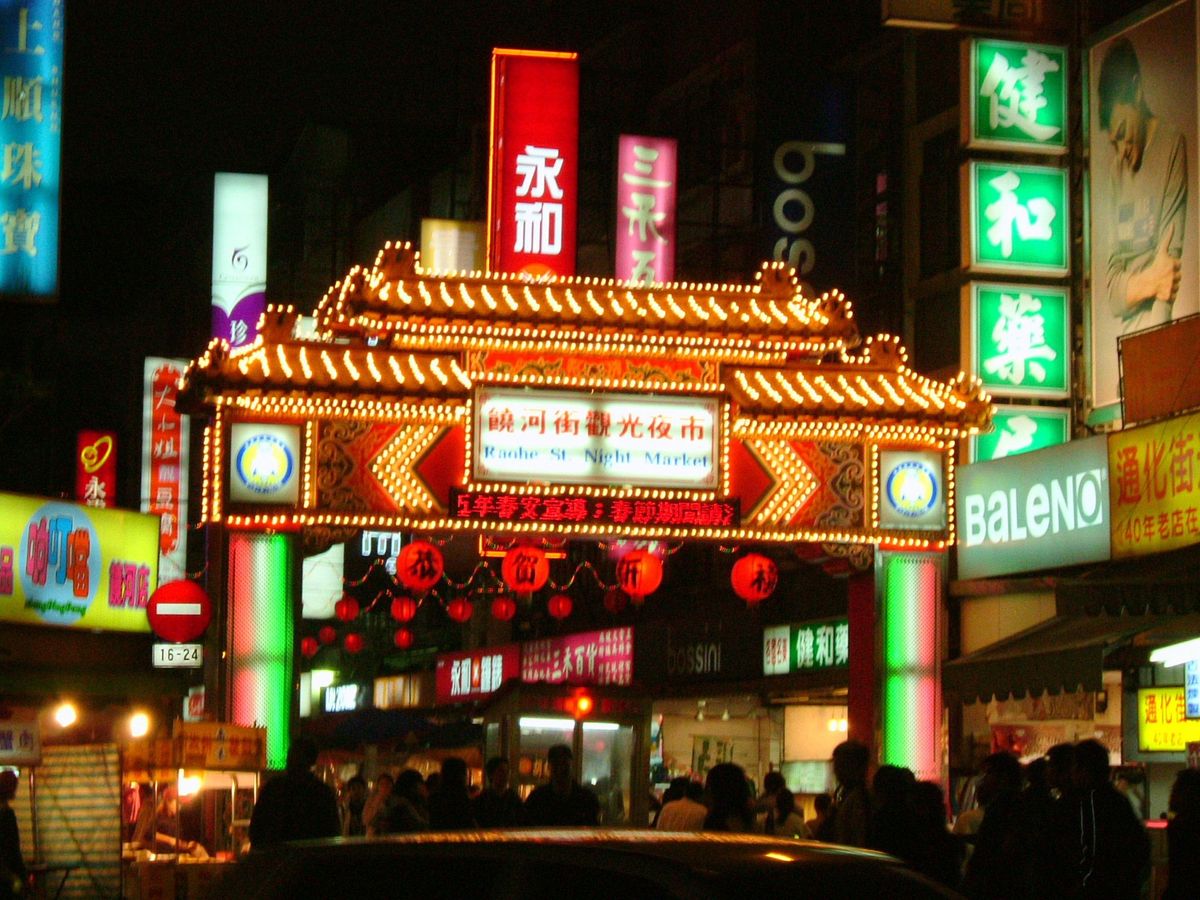
Photo: Fauzty via Wikimedia Commons, CC BY-SA 4.0
That said, low crime is not zero crime. Sensible precautions:
- Nightlife. Watch your drink, go with people you trust and arrange how you get home before you go out.
- Taxis and ride-hailing. Licensed yellow taxis and app-booked rides are generally safe. Share your trip with a friend if you like, as you would anywhere.
- Harassment and assault. If something happens, call 110 for police. Taiwan also runs the 113 protection hotline for domestic violence, sexual assault and harassment, with interpretation available. Our guide to emergency numbers and what to actually do explains what to say and what happens next.
- Non-emergency help in English. The National Immigration Agency's 1990 hotline for foreigners in Taiwan answers questions on everyday life, including personal safety.
Which Taipei neighborhoods feel safest?
Honestly, there is no Taipei neighborhood we would tell a newcomer to avoid. The differences are about atmosphere at night, not danger. Here is how we see it.
Calmest at night: Da'an, Zhongshan (away from the bar strip), Songshan, Xinyi's residential lanes and Neihu. These areas have busy main streets, good lighting, lots of families and short walks from the MRT. If you want details on renting there, see our guides to Da'an District and Zhongshan District.
Fine, but with more going on late at night:
- Wanhua, around Longshan Temple and Huaxi Street. It is one of the oldest parts of the city, full of history and good food, but some blocks feel rougher after dark, with more people sleeping rough and older-style nightlife.
- Linsen North Road and the lanes around it in Zhongshan. Known for hostess clubs and late bars. Not dangerous, but noisy and not where most people want their bedroom window.
- Ximending late on weekends. Crowded and fun; mind your bag.
Our pick: for a first apartment, choose a lane one or two blocks off a main road near an MRT station in Da'an, Zhongshan or Songshan. You get short, well-lit walks home, quiet nights and easy transport, which is most of what "safe" means in daily life.
Apartment safety matters more than street safety
For most foreigners, the most serious hazards are inside the building, not outside it. Three to check at every viewing:
1. The gas water heater. An outdoor-type heater installed indoors or on an enclosed balcony can produce carbon monoxide. It is a real, recurring cause of deaths in Taiwan each winter, and you can spot it in two minutes. See our guide to gas water heaters in Taipei apartments.
2. Rooftop additions and subdivided units. Illegal rooftop structures (頂加) and chopped-up suites can have weak fire separation, a single escape route and hot, unstable construction. Read what foreigners should know about rooftop additions before you fall for a cheap top-floor room.
3. Exits and access. Check that the stairwell is clear, the front door locks, and there are smoke detectors. Buildings with a management office and a guard desk add a real layer of security.
Checking apartment safety with TRA
When we view apartments with you in Taipei, we're there in person and ask the landlord the questions in Chinese, which makes these checks easy to cover at every visit:
- Who the landlord really is. Match the person's ID with the ownership documents, and if they are not the owner, ask for written authorization. That shuts out the fake-landlord rental scam.
- The gas heater and ventilation. Look at the heater type, where it is installed and whether the balcony has been enclosed.
- Rooftop additions and subdivided units. Find out whether the unit is one, and what that trade-off means for you.
- Building access. Locks, management office, stairwells and how you get in late at night.
- Contract terms. We go through the lease with you clause by clause before you sign.
Once the in-person search starts, finding the right place typically takes anywhere from 3 to 5 days up to about 1 to 2 weeks. You pay a deposit when we start and the balance once you've found your home; we quote individually. See how our service works or tell us what you are looking for.
Our pick: how to think about safety in Taipei
Taipei is safe for foreigners, and you should come with confidence. Spend your worry where the risk actually is: look twice at every crossing, treat any phone call about money as a scam until proven otherwise, choose a well-built apartment with a safe gas heater, and save 110, 119, 165 and 1990 in your phone on day one. If you want someone local checking the apartment side for you, get in touch.
FAQ
Is Taipei safe to walk alone at night?
Yes, in general. Most main streets stay lit and busy late, convenience stores are open 24 hours, and residents commonly walk home alone after midnight. Use the same nightlife precautions you would anywhere.
What is the biggest safety risk for foreigners in Taipei?
Traffic. Turning cars and scooters at crossings cause far more harm than crime does, so look over your shoulder before stepping out even on a green signal.
Is Taipei safe for solo female travelers and residents?
Most women find it comfortable, including at night. Watch your drink, use licensed taxis or app rides, and know that 110 (police) and the 113 protection hotline are available, with interpretation on 113.
Which area of Taipei is safest to live in?
No district is unsafe, but Da'an, Zhongshan away from Linsen North Road, Songshan and Neihu feel the calmest at night. We'd start a first search there, close to an MRT station.
What number do I call to report a scam in Taiwan?
Call 165, the National Police Agency's anti-fraud hotline. For an emergency in progress, call 110.