
Renting in Zhongshan District: A Central, Practical Choice for Expats
By Raytio RayUpdated
Renting in Zhongshan District Taipei in 2026: the four main pockets, MRT lines, rent ranges, nightlife and old-building traps, and which pocket we'd pick.
Is Zhongshan District Taipei a good place for a foreigner to rent? For most people, yes. It is central, it sits on four of Taipei's five MRT lines, and it usually costs a little less than Da'an or Xinyi for a similar apartment. The catch is that Zhongshan (中山區) is not one neighborhood. It runs from the busy lanes north of Taipei Main Station all the way up to the Keelung River, and the street you pick matters more than the district name on the listing.
So the real question is which part of Zhongshan suits you. A young professional who wants cafes and bars at the door, a family that wants parks and a quiet night, and an engineer commuting to Neihu should each be looking in a different pocket. This guide walks through the four main pockets, how the MRT works from each one, what rent looks like in 2026, what to watch for at viewings, and our pick for each kind of renter.
Zhongshan District Taipei at a glance
Zhongshan is one of Taipei's twelve districts, sitting between Datong and Zhongzheng to the southwest, Songshan to the east and Shilin across the river to the north. In practice, it splits into four very different areas:
- Zhongshan Station and Shuanglian: the lively southwest corner, along Zhongshan North Road and Chifeng Street.
- Linsen North Road and the 條通 (tiaotong) lanes: the nightlife grid, with a strong Japanese influence.
- Nanjing Fuxing and Songjiang Nanjing: the office belt along Nanjing East Road.
- Dazhi (大直) and the riverside: newer buildings, wider streets and parks along the Keelung River.
The older western half has the character and the food. The northern half has the space and the newer buildings.
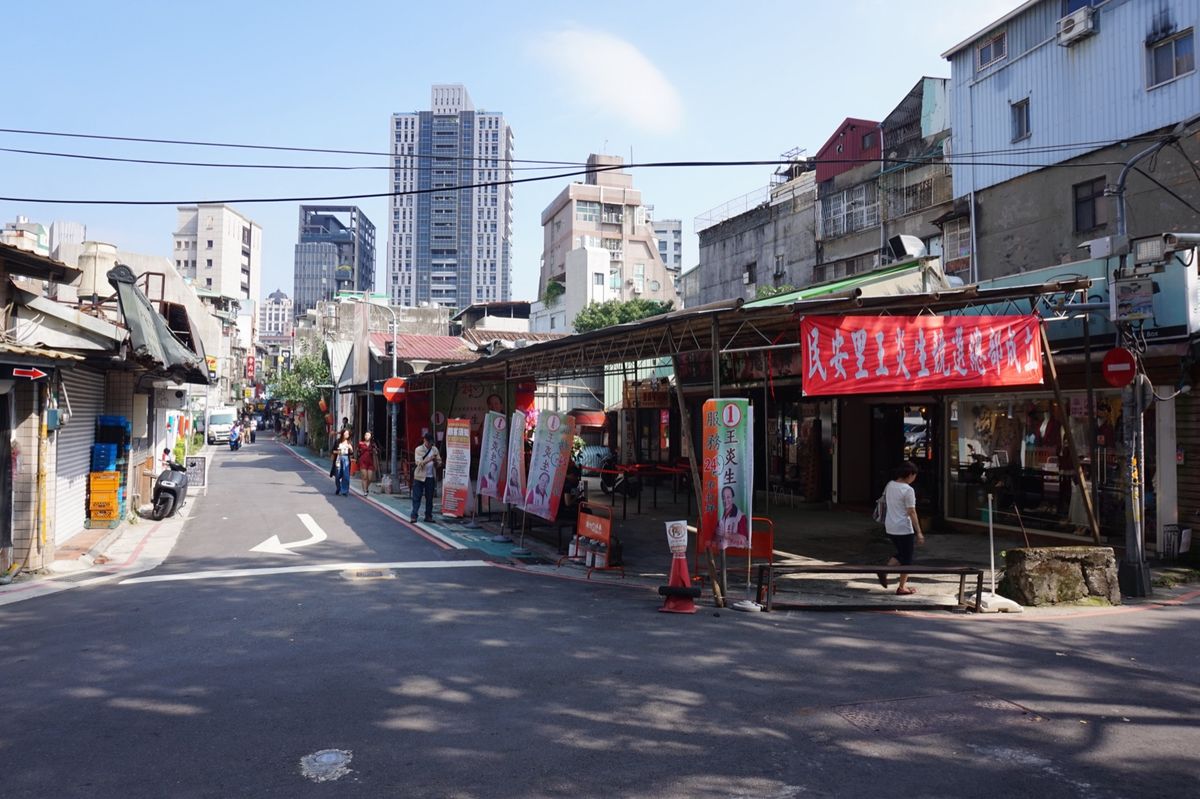
Photo: Tbatb via Wikimedia Commons, CC BY-SA 4.0
How the MRT works from Zhongshan
Taipei Metro runs five lines, and according to Taipei Metro's own network overview, Zhongshan is touched by four of them. That is the district's biggest practical advantage.
- Red line (Tamsui-Xinyi): Zhongshan, Shuanglian and Minquan West Road stations. One seat to Taipei Main Station, Da'an Park and Taipei 101 in Xinyi, and north to Shilin and Tamsui.
- Green line (Songshan-Xindian): Zhongshan, Songjiang Nanjing and Nanjing Fuxing. Runs along Nanjing West and East Road toward Songshan and south to Ximending and Gongguan.
- Orange line (Zhonghe-Xinlu): Songjiang Nanjing, Xingtian Temple, Zhongshan Elementary School and Minquan West Road. Useful for Xinzhuang, Luzhou and Zhonghe in New Taipei.
- Brown line (Wenhu): Nanjing Fuxing, Zhongshan Junior High School, Dazhi and Jiannan Road. This is the line to Songshan Airport, Neihu Technology Park and Nangang.
The Brown line is a light, driverless line with small trains, and the Wenhu line overview on Wikipedia notes each train carries a maximum of 114 passengers. It is fine for Dazhi residents most of the day, but it gets packed at rush hour. Our guide to Taipei's MRT and EasyCard covers fares and passes.
One warning: in a district this big, "near MRT" in a listing can mean two minutes or twelve. Always walk the route yourself.
The four pockets, one by one
Zhongshan Station and Shuanglian (中山站, 雙連站). This is the part of Zhongshan most foreigners picture: the tree-lined Zhongshan North Road, small design shops and cafes around Chifeng Street, department stores near the station and the Shuanglian morning market. It feels urban and walkable. The trade-off is that buildings are mostly older, units are smaller, and the best-located ones go fast. Rents here sit toward the top of the Zhongshan range.
Linsen North Road and the tiaotong lanes (林森北路, 條通). East of Zhongshan North Road, the numbered lanes off Linsen North Road are packed with izakaya, small restaurants, karaoke and late-night bars. For food it's one of the best parts of the city. For sleep it can be one of the worst. Some lanes stay busy and noisy well past midnight, and a few blocks have a hostess-bar character that not everyone wants under the window. Rents can look attractive because of that.
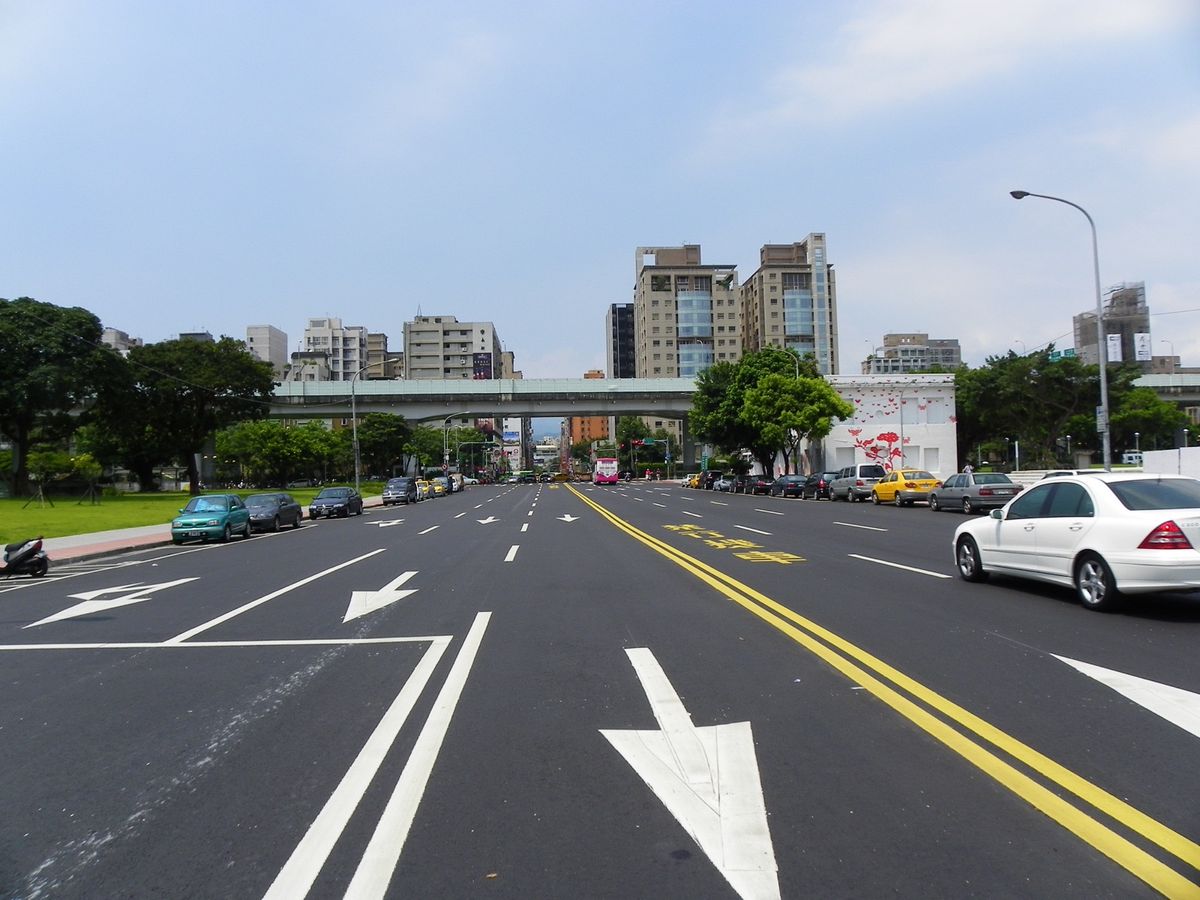
Photo: 玄史生 via Wikimedia Commons, CC0
Nanjing Fuxing and Songjiang Nanjing (南京復興, 松江南京). The office belt. Nanjing East Road is lined with banks, offices and hotels, and both stations are transfer stations, so you can reach almost anywhere with at most one change. It is quieter at night than Linsen, with plenty of lunch places that empty out after work. Building stock is mixed: older apartments in the side lanes, newer elevator buildings on the main roads.
Minquan West Road and Xingtian Temple (民權西路, 行天宮). The northwest edge of the district is more residential and often a bit cheaper. Around Xingtian Temple, one of Taipei's best-known temples (our sister site has a newcomer's guide to Xingtian Temple), you get traditional markets, family-run shops and older walk-ups. Minquan West Road is a Red and Orange transfer station, which makes commuting easy in two directions.
Dazhi and the riverside (大直). North of the Keelung River bend, Dazhi feels like a different city. Streets are wider, buildings are newer, and there are riverside parks and bike paths along the Keelung River. The Brown line connects Dazhi to Songshan Airport and Neihu in a few minutes. It suits families and people who want space, but it is quieter in the evening, and the commute to the old center usually needs a transfer.
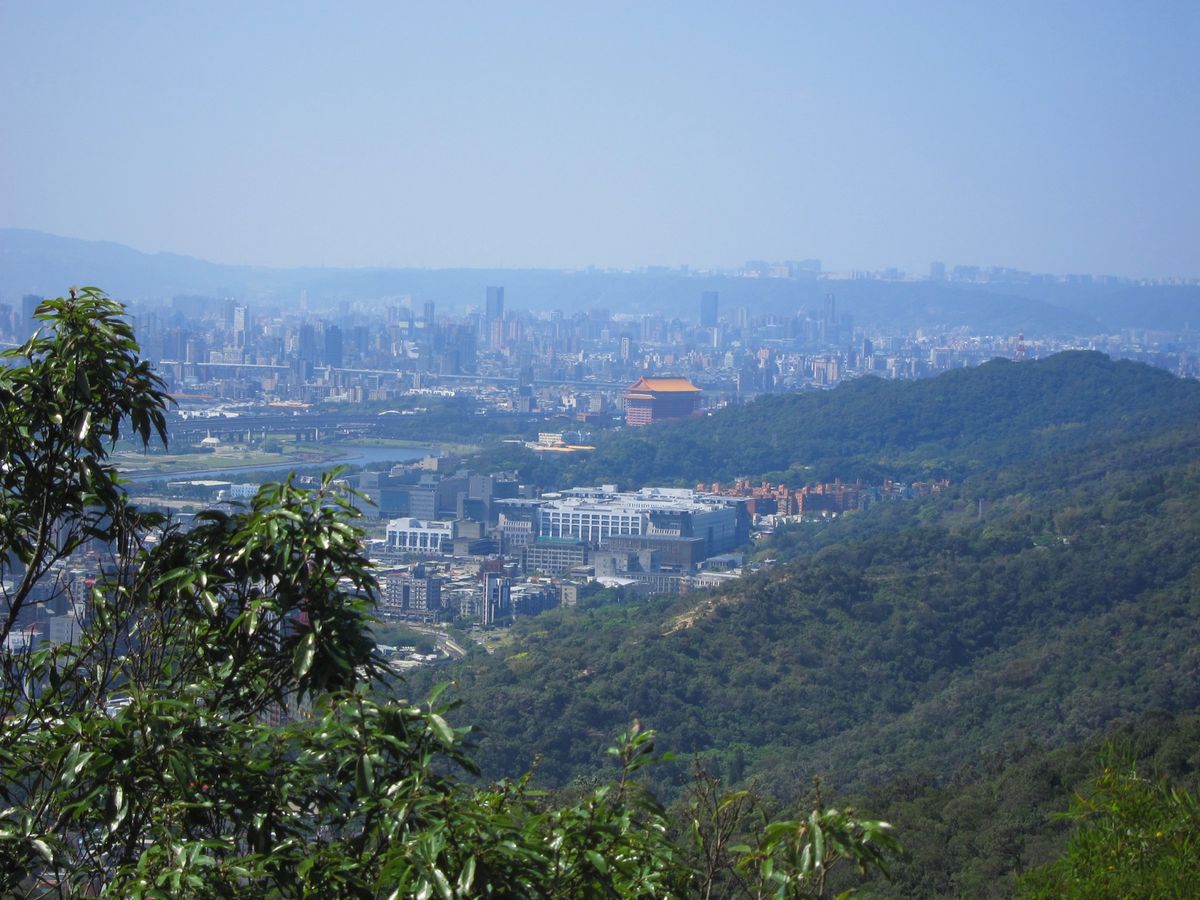
Photo: Ken Marshall via Wikimedia Commons, CC BY 2.0
What rent looks like in Zhongshan in 2026
As a rough guide, a studio in Zhongshan runs about NT$14,000 to NT$22,000 a month and a one-bedroom about NT$18,000 to NT$28,000. Those are our own rough estimates from our Taipei rent guide by area, not an official average, and they move with building age, floor, elevator and distance to the station.
How the pockets compare, roughly:
- Zhongshan Station and Shuanglian: top of the range for location, even in older buildings.
- Linsen North Road lanes: often mid-range or below, because of noise and nightlife.
- Nanjing Fuxing and Songjiang Nanjing: mid to high, with newer elevator buildings at the top.
- Minquan West Road and Xingtian Temple: often the best value, mostly older walk-ups.
- Dazhi: newer buildings, larger units, and family-size apartments that can go well above the one-bedroom range.
Zhongshan is also popular at the budget end. A Taiwan Realty analysis of Ministry of the Interior rent subsidy contracts for the first half of 2026, reported by Economic Daily News, found Zhongshan was the most common district for shared rooms (套房 and 雅房 in shared apartments) among subsidy renters. That tells you there are a lot of room shares here if you're on a tight budget.
If you want to check what a specific building actually rents for, Taiwan's actual price registration site from the Ministry of the Interior includes registered rental contracts, searchable by address. It's in Chinese and not every lease gets registered, but it's a useful reality check before you negotiate rent with a Taiwanese landlord.
For comparison, our guides to renting in Da'an and Taipei's East District around Zhongxiao Dunhua cover the pricier neighbors.
Who Zhongshan suits
- Young professionals and first-timers who want to be central, eat out a lot and get anywhere by MRT.
- Neihu, Nangang or airport commuters who'd rather live closer to the city than in Neihu itself. The Brown line from Dazhi or Zhongshan Junior High School gets you there quickly.
- Budget renters happy with an older building or a room share.
- Families who want space, parks and newer buildings, in Dazhi.
It suits you less if you want a brand-new building near Zhongshan Station on a small budget. Those rarely come together.
What to watch for before you sign
Nightlife noise. Around Linsen North Road and parts of Zhongshan North Road, visit once after 10pm before you sign. Bars, scooters and late diners are the usual sources. Our sister site's guide to noise in a Taipei apartment explains the rules and who to call.
Older walk-ups. Much of western Zhongshan is four- and five-story buildings without elevators. That keeps rent down, but think about carrying groceries and suitcases to the top floor, and check the water pressure and wiring. Our walk-up vs elevator building guide breaks down the trade-offs, and a top-floor unit should be checked for a rooftop addition (頂加).
Mixed-use buildings. Many apartments sit above restaurants, KTVs, small offices or clinics. Ask what is on the ground floor and the floors around you. A restaurant below can mean kitchen exhaust, grease smells and cockroaches. A late-night bar below means noise until the early morning.
Damp in older units. Older buildings with poor ventilation are prone to mold, especially on lower floors and in units facing the river. Our humidity, mold and typhoon checklist tells you what to look at during a viewing.
Aircraft near Songshan Airport. Songshan Airport sits just east of Zhongshan, close to Dazhi and under parts of the approach path. If you're sensitive to noise, visit during the day and listen.
Food, nights out and daily life
Zhongshan is one of the best districts in Taipei for eating. Japanese food is everywhere around Linsen North Road, and there are traditional markets, convenience stores on every block and international cafes around Chifeng Street. If you want a drink, our sister site's guide on where to drink in Taipei at night includes this part of town.
Full disclosure: this one is ours. Our hot dog kitchen, Hotdogray, started in 2017 as a small stall in Zhongshan District, so we have a soft spot for its streets.
The shortcut: let TRA find your Zhongshan apartment
Zhongshan rewards local knowledge. The good units near Zhongshan Station move fast, the Linsen lanes look different at 11pm than at 2pm, and many owners of older walk-ups only take calls in Chinese. This is where TRA helps:
1. Consultation. We talk through your budget, where you work and how you live, and tell you which pocket fits.
2. Viewings with you. We line up listings and view them with you in person, handling all landlord communication and negotiation in Chinese on the spot, including ARC address registration, rent and repairs.
3. Contract review. We go through the lease with you clause by clause before you sign.
4. Signing. We help you finalize the deposit and signing right away, so you don't lose the unit.
Once the in-person search starts, finding the right place typically takes anywhere from 3 to 5 days up to about 1 to 2 weeks. You pay a deposit when we start and the balance once you've found your home; we quote individually. See how our service works or contact us.
Our pick: which part of Zhongshan for whom
Single and social, working in the city center: Shuanglian or Zhongshan Station, on a side lane. You get the Red and Green lines, the best food and walkable streets, but choose a unit one lane back from Zhongshan North Road or Linsen so you can sleep.
Commuting to Neihu, Nangang or Songshan Airport: Dazhi or Zhongshan Junior High School. You're a few Brown line stops from work, with more restaurants and a shorter trip into town than living in Neihu. Our Neihu guide for tech workers compares both sides.
Tight budget: Minquan West Road or Xingtian Temple. Older walk-ups and room shares, two MRT lines, and a calmer, more local feel.
Family: Dazhi. Newer buildings, bigger units, riverside parks and quiet evenings.
Skip unless you love nightlife: the inner Linsen North Road lanes. The rent can look good. The 2am noise usually isn't.
Still comparing Zhongshan with other districts? Our best area to live in Taipei comparison puts them side by side. Or tell us about your budget and commute and we'll suggest the pocket we'd start with.
FAQ
Is Zhongshan District a good area for expats in Taipei?
Yes. It's central, sits on four MRT lines and usually costs a little less than Da'an or Xinyi, with a lot of food and daily convenience. The key is choosing the right pocket for your lifestyle.
How much is rent in Zhongshan District in 2026?
As a rough guide, studios run about NT$14,000 to NT$22,000 a month and one-bedrooms about NT$18,000 to NT$28,000. Older walk-ups and room shares come in lower, while newer buildings near the main stations and family units in Dazhi go higher.
Is Linsen North Road a safe place to live?
It's a busy, well-lit nightlife area, and the main issue for residents is noise, not safety. If you're a light sleeper, look a few lanes away and visit late at night before signing.
Is Zhongshan a good base if I work in Neihu?
Yes, especially Dazhi or Zhongshan Junior High School on the Brown line, which runs straight to Neihu Technology Park. Test the trip at rush hour, because Brown line trains are small and get crowded.
Can I register my ARC address at a Zhongshan rental?
Usually, but confirm with the landlord before signing, because some owners don't want tenants registering the address. We check this with every landlord for our clients.