
Taipei vs Tokyo vs Bangkok vs Seoul: Which Asian City Should Expats Pick?
By Raytio Ray
Taipei vs Tokyo for expats, plus Bangkok and Seoul: 2026 rent, safety, visas, salaries, air and nightlife compared, with an honest pick for each type of mover.
Taipei vs Tokyo for expats: the short answer
If you are weighing Taipei vs Tokyo for expats, here is our blunt verdict: Tokyo wins on careers, food variety, city scale and clean air; Taipei wins on rent, safety, how easily locals let you in, and how easy it is to stay long term. Bangkok is the cheapest and the most fun, but the air and the visa math are worse. Seoul pays the best and parties the hardest, but the winters and the housing deposits hurt.
We live in Taipei and help foreigners move here, so yes, we are biased. That is why this piece leans on numbers and on what foreigners who have lived in more than one of these cities actually say. If you want the general case for Taiwan, read why move to Taiwan first; this article is only the head-to-head.
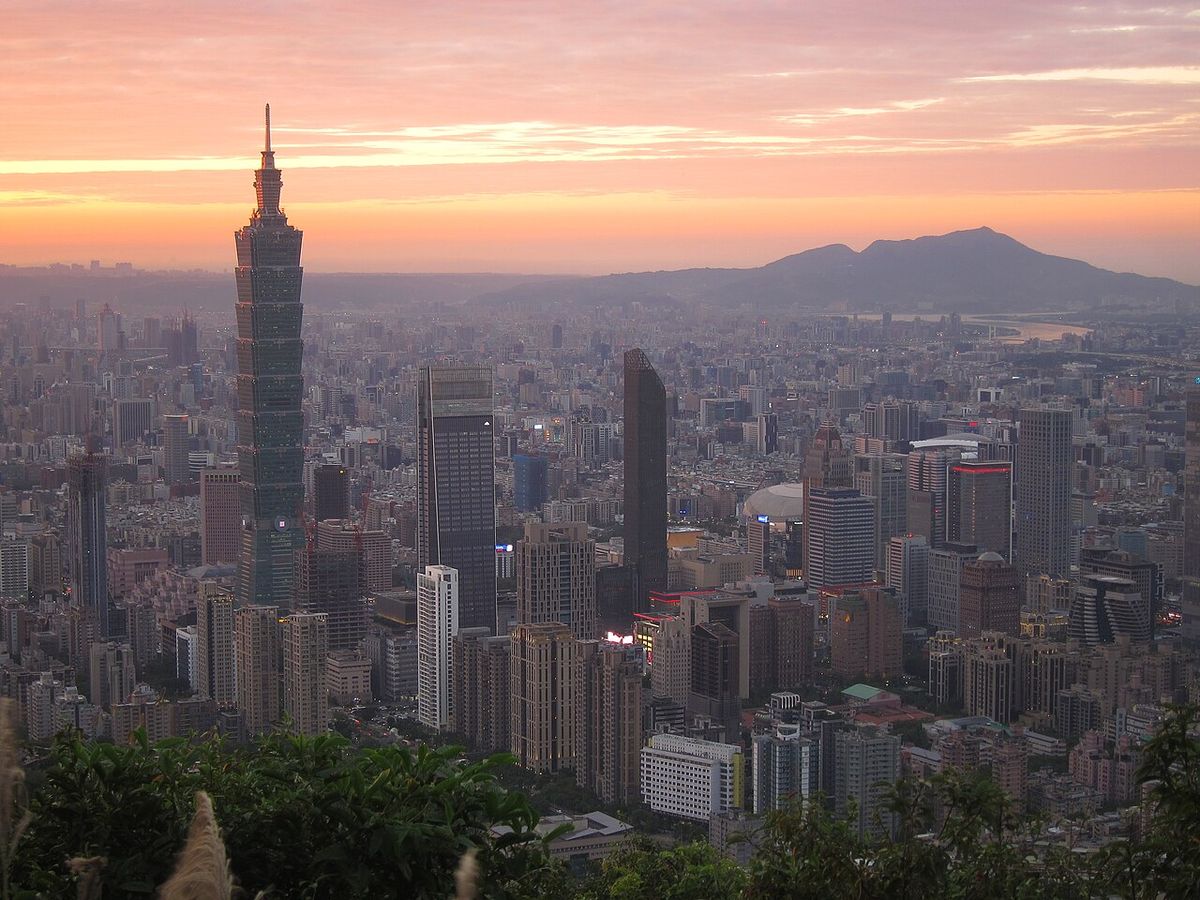
Photo: Ken Marshall via Wikimedia Commons, CC BY 4.0
The numbers side by side (2026)
Rent and salary are from Numbeo city pages in October 2026 (in US dollars). The indexes are from Numbeo's 2026 mid-year rankings, where New York City = 100 and a higher safety score is safer.
- City: Taipei | 1-bed rent, city centre: about $1,010 | Avg net salary / month: about $1,760 | Cost of living index: 54.5 | Safety index: 83.4
- City: Tokyo | 1-bed rent, city centre: about $1,280 | Avg net salary / month: about $2,960 | Cost of living index: 54.3 | Safety index: 75.9
- City: Seoul | 1-bed rent, city centre: about $880 | Avg net salary / month: about $3,610 | Cost of living index: 64.5 | Safety index: 74.6
- City: Bangkok | 1-bed rent, city centre: about $680 | Avg net salary / month: about $620 | Cost of living index: 43.5 | Safety index: 61.6
- City: Singapore | 1-bed rent, city centre: about $2,970 | Avg net salary / month: about $4,400 | Cost of living index: 90.8 | Safety index: 77.7
- City: Kuala Lumpur | 1-bed rent, city centre: about $620 | Avg net salary / month: about $1,500 | Cost of living index: 38.8 | Safety index: 40.9
- City: Ho Chi Minh City | 1-bed rent, city centre: about $590 | Avg net salary / month: about $490 | Cost of living index: 29.6 | Safety index: 50.2
Three things jump out. First, Taipei and Tokyo now cost about the same day to day (54.5 vs 54.3); the weak yen made Tokyo cheap, so do not move to Taipei expecting it to be dramatically cheaper than Tokyo. Second, Taipei's real problem is pay: the average net salary is roughly 60% of Tokyo's and under half of Seoul's. Third, Taipei is the safest city on this list by a clear margin.
A note on Seoul's low rent: most Seoul monthly rentals (wolse) come with a large key deposit, often around KRW 10 million or more, so the upfront cash is much bigger than in Taipei, where two months' deposit is the norm. For our own Taipei budget numbers, see the Taipei cost of living guide.
Visas for staying more than a few months
This is where the cities really separate, especially if you work remotely.
- Taiwan: the Digital Nomad Visitor Visa asks for US$20,000 a year of income if you are 20 to 29, or US$40,000 if 30 or older, and since January 2026 it runs 6 months plus up to three 6-month extensions (2 years total). The Employment Gold Card is the real prize: an open work permit plus residency for 1 to 3 years, not tied to an employer, with a fairly clear path to permanent residency. Details in our Gold Card and residency guide.
- Japan: the digital nomad visa needs about JPY 10 million a year (roughly US$65,000 to 70,000), lasts 6 months, cannot be renewed, and gives no residence card, which makes bank accounts and phone contracts awkward. You must spend 6 months outside Japan before reapplying.
- Thailand: the Destination Thailand Visa (DTV) is the most generous: 5-year validity, 180 days per entry (extendable once per entry for 1,900 baht), a 10,000 baht fee, and 500,000 baht (around US$15,000) in savings held for three months. Since August 31, 2026 a police clearance certificate is also required.
- Korea: the F-1-D "workation" visa became permanent on June 30, 2026, with stays of up to 3 years. Income needed is 1 to 2 times Korea's per-capita GNI, roughly KRW 52 million to 105 million, depending on your age and whether you live in the Seoul area.
Our take: for a 6-month trial, Thailand and Taiwan are easiest. For settling down for good, Taiwan is the most realistic of the four, because Japan's long-term options mostly require a local employer and Thailand's DTV does not lead to residency.
Category by category: who wins
Rent and space. Bangkok and KL win: a modern condo with a pool for the price of an old Taipei walk-up. Taipei beats Tokyo on price, but Tokyo apartments are newer and better built, a point people who own homes in both countries make on Forumosa.
Safety. Taipei. A 2am walk home alone is routine here. Tokyo and Seoul are also very safe; Bangkok, KL and Ho Chi Minh City have more petty theft and much worse traffic risk. More in is Taipei safe for foreigners.
Healthcare. Taiwan's NHI and Japan's national insurance are both cheap once you are in the system (Japan covers 70% of costs for residents). Korea enrolls most foreign residents in national insurance after 6 months. In Thailand, foreigners rely on private hospitals like Bumrungrad and private insurance: excellent, but you pay.
English. In the EF English Proficiency Index 2025, Malaysia ranked 24th, South Korea 48th, Vietnam 64th, Japan 96th and Thailand 116th (Singapore is no longer ranked because it counts as English-speaking). Taipei, in our experience, is easier than Tokyo for daily life in English: MRT signs, menus in central districts and younger locals. But contracts, landlords and government forms are still Mandarin.
Air quality. Tokyo is the cleanest of the big four. Taiwan's national PM2.5 average was about 13 µg/m³ in IQAir's 2025 report, with Taipei usually better than the south. Seoul gets spring yellow dust days, and Bangkok has a burning-season smog from about January to March; Ho Chi Minh City is worse still. If you have asthma, Bangkok and Saigon are the hard ones.
Climate. None of them are easy. Taipei is hot and wet from May to October, with typhoons and mold (read our humidity and mold guide). Bangkok is hot all year. Seoul swings from sticky summers to winters that regularly drop below minus 10°C. Tokyo has the most comfortable four seasons.
Transit. Tokyo is the gold standard; Taipei's MRT is cleaner, cheaper (about US$38 for a monthly pass versus around US$63 in Tokyo on Numbeo) and easier to learn. Seoul's subway is excellent. Bangkok's BTS and MRT are good where they go, and the traffic is brutal where they do not.
Food. Tokyo for range and quality, Bangkok and Saigon for cheap street food, Taipei for breakfast shops, night markets and a very good cafe scene. A cheap local meal is around US$5 in Taipei, US$8 in Tokyo and US$3 in Bangkok.
Nightlife, dating and social life. Bangkok, Seoul and Tokyo are bigger and louder. The long Forumosa thread "Is Taiwan too boring to move to?" is honest about this: several long-term residents say Taipei is comfortable but low energy, that expats come and go, and that dating is harder than in Thailand. Others say Taiwan wins for cafes, hiking, learning Mandarin and quieter hobbies. In the 655-post "Taiwan vs Japan living" thread, people who lived in both kept saying Taiwanese are friendlier and easier to make friends with, while Japan feels more polished but harder to really get inside.
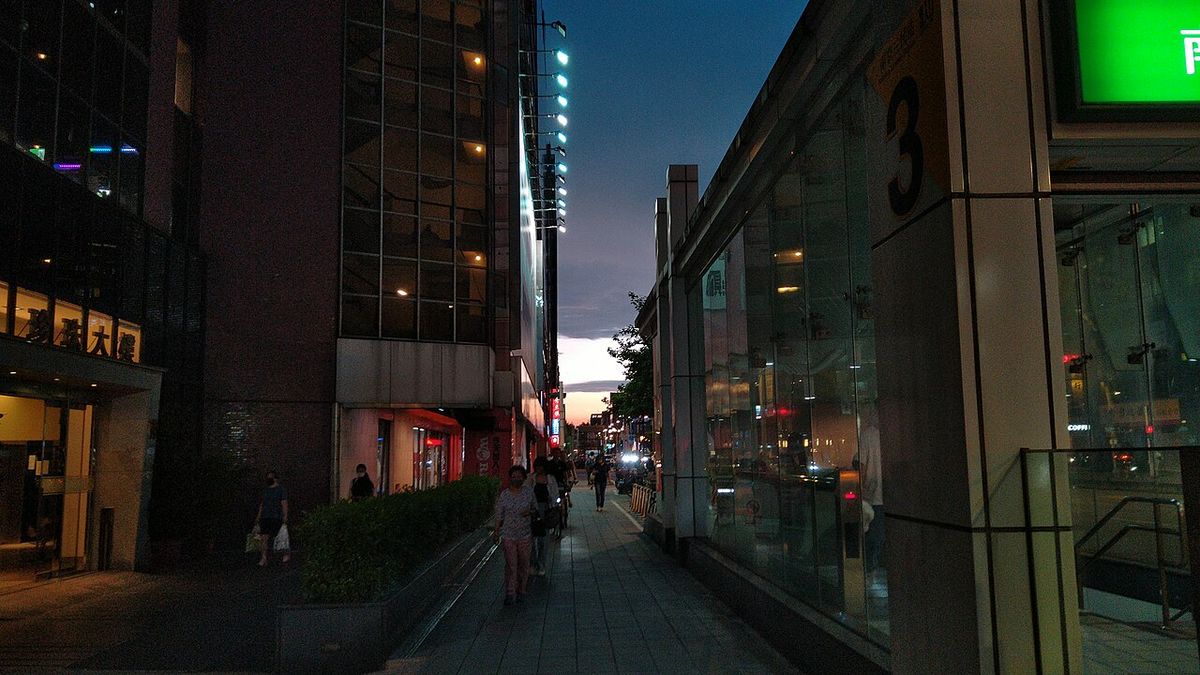
Photo: Jonashtand via Wikimedia Commons, CC BY-SA 4.0
Jobs and salaries. Tokyo and Seoul win for local careers, especially in software, finance and corporate roles; Japan's labor shortage is real. Taiwan's foreign job market is narrow: semiconductors, some tech in Neihu and Nangang, and English teaching. The forum advice we agree with: if you need a local job outside those fields, Taipei is a tough sell; if you bring remote income, Taipei looks great.
Geopolitical risk. Every city here has some. Taiwan has China, Seoul has North Korea, and Thailand has had coups and the 2025 border clashes with Cambodia. Daily life in Taipei is normal, but if the headlines would keep you awake, factor that in honestly.
What foreigners who lived in both say
From the Forumosa threads, paraphrased:
- A long-term resident who owns homes in both Taipei and rural Japan: Taiwan is friendlier and easier for business and residency; Japan wins on housing, food, nature, weather and air.
- A remote developer: Taipei is great while you have foreign income, but switching to a local job means far fewer options and lower pay.
- Several posters: Taipei is one of the most laid back capitals in the developed world, and you can live in English for years; Tokyo is harder without Japanese.
Which city should you pick?
- Pick Taipei if you earn remotely or have a Gold Card, want to stay years (maybe permanently), value safety and friendly locals, like hiking and food, or want to learn Mandarin.
- Pick Tokyo if your career needs a local employer, you love food and culture at huge scale, or you hate humidity and smog.
- Pick Bangkok if your budget is tight, you want the DTV's easy long stays and big social scene, and you can live with traffic and burning-season air.
- Pick Seoul if you can earn a local salary, want big-city energy and nightlife, and can handle cold winters and the deposit.
- Singapore, KL or Ho Chi Minh City: Singapore only with a high corporate salary; KL for the best English and value in Southeast Asia; Saigon for the cheapest, most chaotic option.
Our honest bottom line: for someone with portable income who wants to settle rather than just pass through, Taipei is the best Asian city for expats on value, safety and long-term residency. For someone chasing career growth or nonstop nightlife, it probably is not, and that is fine. If you do choose Taipei, getting the apartment right is the single biggest quality-of-life decision you will make, and it is the part we help with.