
Why Move to Taiwan? The Honest Case for Living and Working Here
By Raytio Ray
Why move to Taiwan? Safety, cheap world-class healthcare, low rent and a free democracy, backed by 2026 data, plus the real downsides and who should wait.
Why move to Taiwan? The short answer
Why move to Taiwan? Because it gives you a rare combination: a very safe, very convenient, genuinely free country where rent and healthcare cost a fraction of Tokyo, Singapore or Hong Kong. The catch is that salaries for many jobs are lower too, the summers are brutal, and you will have to deal with some Mandarin.
We help foreigners settle into Taipei every month, and we are biased: we live here because we like it. So this article gives you the numbers behind the hype, then the downsides we hear about from real clients, then our honest take on who Taiwan suits.
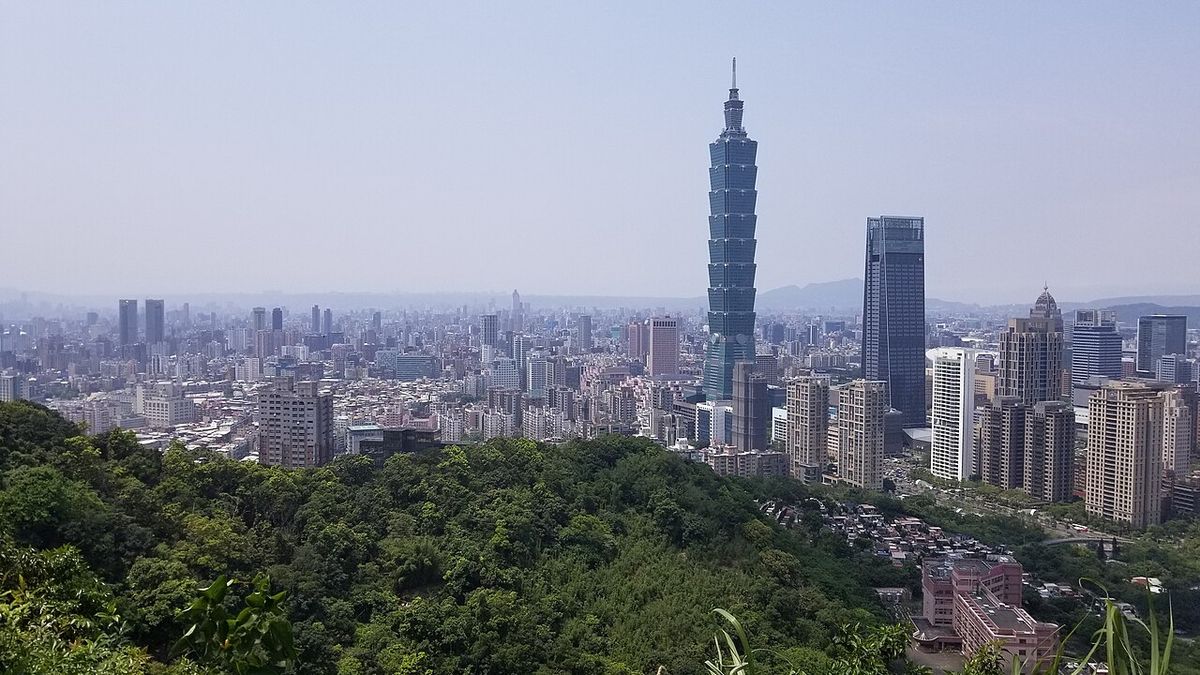
Photo: Dan Nevill via Wikimedia Commons, CC BY 2.0
1. It is one of the safest places on earth
In Numbeo's 2026 mid-year Safety Index, Taiwan ranks 4th out of 163 countries with a score of 82.9, ahead of Japan (77.8), Hong Kong (78.2) and Singapore (77.7). Numbeo is based on resident surveys, not police data, but it matches what people feel day to day: women walk home alone at 2am, people leave laptops on cafe tables, and lost phones come back. Violent crime against foreigners is rare. The real risks are traffic and scooters, which we cover in is Taipei safe for foreigners.
2. Healthcare that is cheap and actually good
Taiwan's single-payer National Health Insurance (NHI) topped the CEOWORLD Health Care Index 2025 out of 110 countries, with a score of 78.72, ahead of South Korea and Australia. In InterNations' Expat Insider surveys, Taiwan has repeatedly come first for healthcare, with over 90% of expats satisfied with affordability.
In practice: the 2026 premium rate is 5.17% of salary, and an employee pays 30% of that, so someone earning NT$50,000 a month pays roughly NT$775. A clinic visit with your NHI card usually costs a couple of hundred NT dollars all in, and you can often walk in the same day without a referral. One timing rule matters: if you come with a job, you are covered from your first day of work; students, dependents and freelancers usually wait 6 months after getting their ARC, so buy private cover for that gap.
3. Rent and daily costs are low for a rich-world city
Numbeo's 2026 mid-year data (New York = 100):
- Taipei: cost of living 54.5, rent 18.0
- Tokyo: cost of living 54.3, rent 26.1
- Seoul: cost of living 64.5, rent 22.5
- Hong Kong: cost of living 76.4, rent 59.1
- Singapore: cost of living 90.8, rent 68.3
Day-to-day costs in Taipei are similar to Tokyo, but rent is the big difference: roughly a third of Singapore's and less than a third of Hong Kong's. A lunch box (biandang) is still around NT$100 to 130, and an MRT ride costs NT$20 to 65. For a realistic monthly breakdown, see our Taipei cost of living budget.
4. Transport and digital convenience
Taipei's MRT is clean, punctual and signed in English. The High Speed Rail gets you from Taipei to Kaohsiung in about 1.5 to 2 hours, and YouBike shared bikes are everywhere. Convenience stores (well over 10,000 of them island-wide, mostly 7-Eleven and FamilyMart) let you pay bills, print documents, pick up parcels and buy train tickets 24 hours a day. Mobile data is fast and cheap: unlimited 5G plans are common.
For travel, Taiwan sits in the middle of Asia. Flights from Taoyuan reach Hong Kong in about 2 hours, Seoul in about 2.5, Tokyo in about 3 and Bangkok in about 4. Long weekends abroad are easy and cheap.
5. Food and nature, both within an hour
Taiwanese food alone keeps a lot of foreigners here: night markets, beef noodle soup, breakfast shops, and a serious coffee and bakery scene. Ningxia Night Market near Zhongshan is our pick for newcomers: compact, local, and easy to navigate.
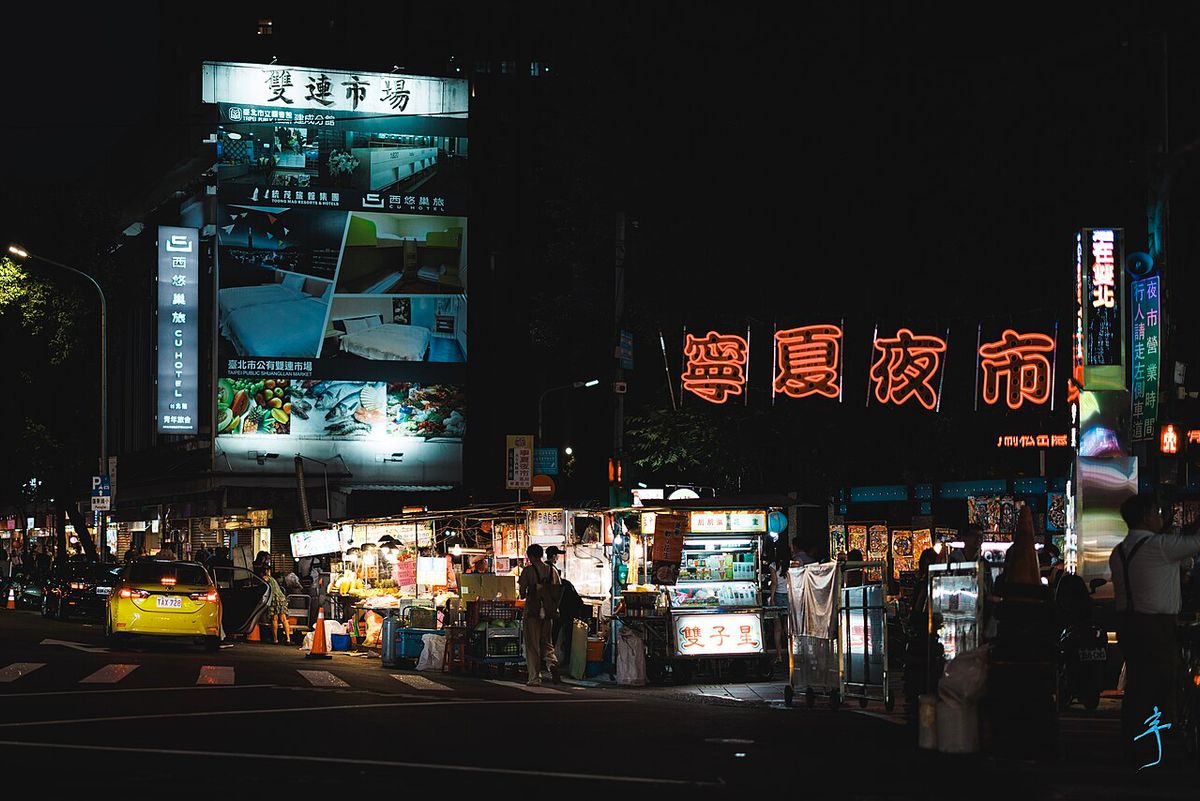
Photo: 迷惘的人生 via Wikimedia Commons, CC BY-SA 2.0
Nature is the underrated part. From central Taipei you can be hiking Yangmingshan, soaking in Beitou hot springs or on the beach at Fulong in under 90 minutes. Over 200 mountains on the island top 3,000 meters, and places like Taroko Gorge and Sun Moon Lake are weekend trips. (Some Taroko trails are still recovering from the April 2024 earthquake, so check the national park site before going.)
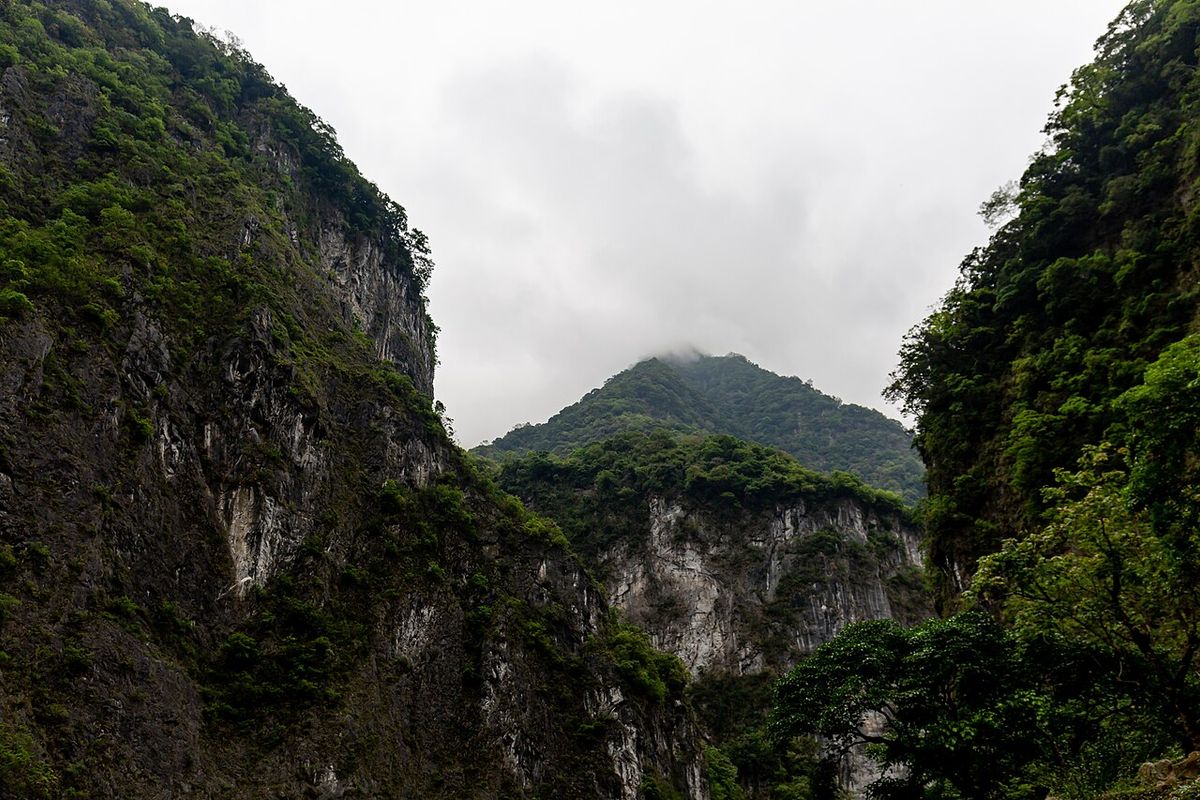
Photo: Wikimedia Commons, public domain
6. A free, open, democratic society
Freedom House's Freedom in the World 2026 gives Taiwan 93 out of 100 (38/40 for political rights, 55/60 for civil liberties), the second-highest score in Asia after Japan. Taiwan became the first country in Asia to legalize same-sex marriage, on May 24, 2019, and Taipei Pride each October is the biggest in the region. The press is free, the internet is not censored, and Google, YouTube and WhatsApp all work normally.
People are also genuinely friendly. Expat surveys consistently rate Taiwan highly for how easy it is to make local friends, and our clients say the same: strangers will walk you to the right bus stop.
7. Jobs and visas: tech, teaching and the Gold Card
Taiwan is home to TSMC and the world's most important chip supply chain, which means steady demand for engineers, and a growing number of international companies in Neihu and Nangang. Teaching English remains the most common entry route; see how to teach English in Taiwan.
The government actively wants skilled foreigners. The Employment Gold Card, a combined work permit, residence visa and ARC that is not tied to one employer, had approved 16,656 cards by April 2026 according to the official Gold Card office. Our guide to the Gold Card and other residency routes compares all the options.
How Taiwan scores in expat rankings (and why it moved)
InterNations' Expat Insider survey ranked Taiwan the number one destination for expats in 2016, 2019, 2020 and 2021, and still in the top five in 2022 and 2023 (5th of 53, and 2nd for quality of life). Taiwan did not appear in the 2025 edition's list of 46 destinations, which only includes places with enough survey responses, so do not read too much into recent lists either way. The consistent pattern across years: Taiwan wins on healthcare, safety and quality of life, and loses points on salaries and career progression.
The downsides, honestly
Salaries. Taiwan's average regular monthly wage was about NT$47,900 in 2025, and the 2026 minimum wage is NT$29,500. Unless you are in semiconductors, senior tech or a foreign company, expect to earn far less than in the US, Australia or Singapore. Taipei's local purchasing power on Numbeo (85.1) is below Tokyo (106.9) and Seoul (124.8). Taiwan works best if your income is remote, specialized, or you value lifestyle over savings.
Language. Taipei is manageable in English, but contracts, landlords, utility bills and government offices often are not. Outside Taipei it gets harder. Learning even basic Mandarin changes your experience.
Climate. Summers (June to September) are hot and very humid, mold is a real issue in apartments, and a few typhoons pass through most years between July and October. Read humidity, mold and typhoons before you sign a lease.
Air quality. Winter and spring bring more polluted days, especially in central and southern Taiwan. Taipei is usually better, but sensitive people should check AQI apps on bad days.
Work culture. Taiwanese workers averaged about 2,030 hours in 2024 according to Ministry of Labor figures, among the highest in the world. Hierarchy and unpaid overtime are common in local companies.
Housing quality. A lot of Taipei housing stock is 30 to 50 years old: walk-ups, tiny bathrooms, rooftop additions and subdivided suites. Good apartments exist, but you have to know what to avoid. Start with the best areas to live in Taipei for foreigners.
Geopolitics. Tension with China is real and it gets a lot of international headlines. Day to day in Taipei, life is completely normal: people go to work, travel and buy property. Most long-term foreigners we know register with their country's representative office, keep their passport valid, keep some savings accessible and then get on with life. If the risk would keep you awake at night, that is a valid reason to choose somewhere else.
Who Taiwan is great for, and who should think twice
Great for:
- Remote workers and freelancers earning in foreign currency: low rent, cheap healthcare, fast internet
- Engineers and tech professionals, especially in semiconductors
- Families who care about safety and affordable healthcare
- LGBTQ+ people looking for the most accepting place in Asia
- People who love food, hiking and quick trips around Asia
- English teachers who want a gentle start in Asia
Think twice if:
- Your main goal is maximizing salary or savings in a local job
- You hate heat and humidity
- You need everything in English without effort
- You want a large, spacious, new apartment on a modest budget in central Taipei
Our honest view: for most people who can bring their income with them or land a decent job, Taiwan offers the best quality of life per dollar in East Asia.
Ready to plan the move?
Start with things to know before moving to Taiwan, then sort out your visa and your neighborhood. When it is time to find an apartment, TRA can search, view and negotiate on your behalf, and help with airport pickup and cleaning if you need it. See our services.