
Furnished vs Unfurnished: What 'Furnished' Actually Means in a Taipei Rental
By Raytio RayUpdated
A furnished apartment in Taipei usually means bed, wardrobe, AC, fridge and washer, rarely kitchenware. How to pin it down in writing and when unfurnished pays.
A furnished apartment in Taipei usually means the big items are there: a bed frame (often with a mattress), a wardrobe, a desk, air conditioning, a fridge, a washing machine and a water heater. It rarely means kitchenware, a sofa, bedding or towels. Many Taipei rentals for single people are furnished this way, and listings write it as 家具家電 ("furniture and appliances") or 全配 ("fully equipped"). A truly empty flat is more common with larger family apartments.
Our recommendation: if you're staying up to two years, rent furnished. Buying, moving and later disposing of a fridge, washer and bed costs more time and money than the small rent premium. Rent unfurnished only if you're staying long term, have your own furniture shipping over, or need a family-size flat. Either way, get the exact equipment list written into the contract, item by item. Here's how.
What a furnished apartment in Taipei usually includes
- Usually included: Air conditioner (冷氣) | Often included: TV (電視) | Rarely included: Pots, pans, plates
- Usually included: Bed frame (床架) | Often included: Microwave (微波爐) | Rarely included: Bedding and pillows
- Usually included: Wardrobe (衣櫃) | Often included: Sofa (沙發) | Rarely included: Towels
- Usually included: Water heater (熱水器) | Often included: Dining table (餐桌) | Rarely included: Kettle, rice cooker
- Usually included: Fridge (冰箱) | Often included: Dehumidifier (除濕機) | Rarely included: Lamps beyond the ceiling light
- Usually included: Washing machine (洗衣機) | Often included: Stove or induction hob | Rarely included: Curtains in every room
- Usually included: Desk and chair (書桌椅) | Often included: Mattress (床墊) | Rarely included: Hangers, rugs, trash cans
The mattress is the one to watch. Some landlords provide a frame only, and a used mattress from previous tenants is common. Ask, and look under the sheet.
Furnishing words in Taipei listings
Most listings are in Chinese, and the furnishing details hide in short tags. These are the ones worth recognizing:
- Listing word: 家具家電 | Meaning: Furniture and appliances included | What to check: Ask for the item list
- Listing word: 全配 / 家電全配 | Meaning: Fully equipped | What to check: Still ask; "full" varies
- Listing word: 空屋 | Meaning: Empty unit | What to check: Often no AC either
- Listing word: 冷氣 | Meaning: Air conditioner | What to check: How many, how old, inverter or not
- Listing word: 獨洗 | Meaning: Your own washing machine | What to check: Versus a shared machine in the building
- Listing word: 可開伙 | Meaning: Cooking allowed | What to check: Some suites ban cooking entirely
- Listing word: 熱水器 | Meaning: Water heater | What to check: Electric or gas; where it's installed
- Listing word: 第四台 | Meaning: Cable TV | What to check: Often bundled with internet
- Listing word: 網路 | Meaning: Internet | What to check: Included, shared, or your own contract
- Listing word: 獨立電表 | Meaning: Separate electricity meter | What to check: Billed by Taipower directly, not the landlord
Two of these change your monthly budget. 可開伙 decides whether you can cook or will eat out every meal, and 獨立電表 decides whether electricity is billed by Taipower or by your landlord. Our guide on how to read a Taiwanese rental listing explains the rest of the vocabulary.
Why the word alone isn't enough
"Furnished" in a listing is a marketing word, not a specification. Two flats with the same label can differ by a fridge, a washing machine and a sofa. Photos can be old or show another unit in the same building. The fix is to turn the word into a list.
The Ministry of the Interior's model residential lease does this for you. Its property condition statement (租賃標的現況確認書) includes an equipment checklist with quantities: TV, sofa, coffee table, dining set, shoe cabinet, curtains, lights, fridge, washing machine, bookcase, bed, wardrobe, dresser, desk and chair, microwave, dishwasher, air conditioners, range hood, kitchen counter, stove, water heater and gas type. The rules for standard leases include the same list.
Once an item is on that list, it's part of what you're renting. Our guide to what a normal Taipei rental contract looks like shows where the list sits in the contract.
Who repairs the furniture and appliances?
Under Article 8 of the Rental Housing Market Act, the landlord has to hand over a home fit to live in and keep it that way. The model lease adds that the landlord repairs the home and its equipment unless the contract says otherwise, local custom differs, or you caused the damage. Anything the landlord wants you to repair must be listed and confirmed by you in a separate annex.
That makes furnished flats less risky than they look. If the air conditioner listed on your equipment sheet dies in August, it's normally the landlord's job. What you should ask at the viewing is how old the AC and fridge are, and how quickly they'll send someone.
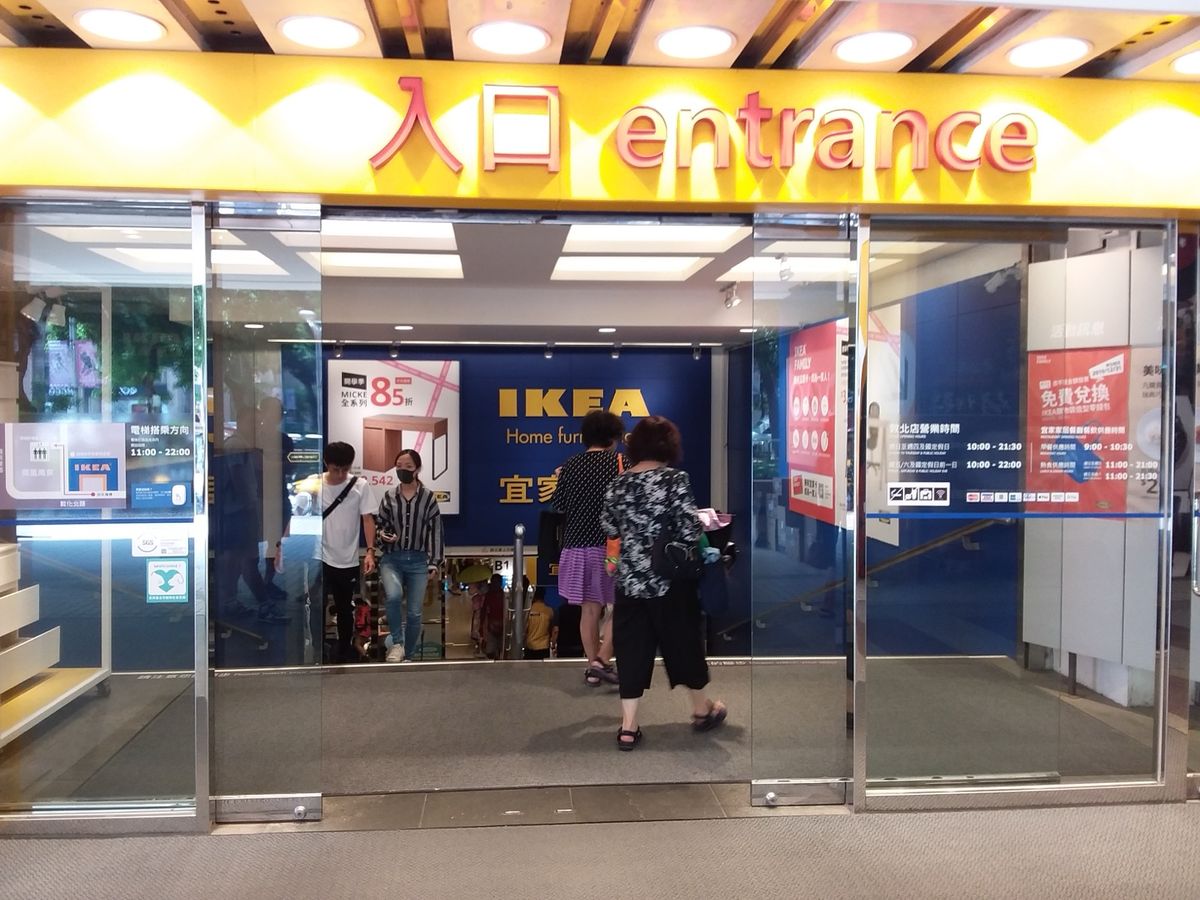
Photo: Easo Lomsgiar via Wikimedia Commons, CC BY-SA 4.0
The real cost of unfurnished
An unfurnished flat can have a lower rent, but you take on four costs that are easy to underestimate from abroad:
1. Buying. A bed, mattress, wardrobe, fridge, washing machine and at least one air conditioner if the flat has none. Air conditioners in Taipei also need professional installation.
2. Delivery and assembly. Many older walk-ups have no elevator, and delivery to an upper floor can cost extra.
3. Your time. Expect a couple of weekends of shopping, waiting for deliveries and building furniture.
4. Getting rid of it. When you leave, you either sell it, leave it (only with the landlord's agreement) or dispose of it. Taipei's Department of Environmental Protection collects household bulky waste such as furniture and old appliances for free, by appointment with your district cleaning squad, under its bulky waste rules. Our sister site explains how trash day in Taiwan works.
Do the sum honestly. If the furnished flat costs a little more each month and you're staying a year, the furnished one is usually cheaper overall. Our hidden costs guide helps with the rest of the budget.
When unfurnished makes sense
- You're staying three years or more.
- You're moving with a family and shipping your own furniture.
- You want a specific setup for work or health, like a proper mattress or a large desk.
- The flat is excellent in every other way and the landlord will lower the rent to reflect it.
A middle option many landlords accept: a furnished flat where they remove an item you don't want, or add one you need. Ask before signing.
If you go unfurnished: where to buy
If you do take an empty flat, a few options cover most needs:
- IKEA has stores in Taipei and New Taipei, including Dunbei near Taipei Arena and Xinzhuang, and delivers and assembles for a fee. It's the easiest one-stop option for a foreigner who doesn't read Chinese.
- Electronics chains and online platforms sell fridges, washing machines and air conditioners with delivery and installation. Ask for the installation (安裝) and old-appliance removal (回收舊機) to be included in the price.
- Secondhand. Departing expats sell whole flat-loads of furniture in English-language community groups, often cheaply, because they have days to clear out. Check mattresses carefully, and arrange your own transport.
- Your landlord. Some landlords have furniture in storage from previous tenants. It doesn't hurt to ask.
Whatever you buy, keep the receipts and the delivery dates. If the landlord later agrees to buy an item from you when you leave, or to keep it for the next tenant, you'll want to show what you paid.
The air conditioner: the item worth checking twice
In Taipei, the air conditioner isn't a luxury. It's how you survive July and how you keep humidity down for much of the year, and it's often the biggest single line on your electricity bill. In a furnished flat, ask three things:
- How old is it, and is it an inverter (變頻) model? Older fixed-speed units cost noticeably more to run.
- When was it last cleaned? A unit that hasn't been cleaned smells musty and spreads mold spores.
- Who pays for cleaning and repairs? Get the answer into the contract, because "the AC" is the most common appliance argument at move-out.
If the AC is old and the landlord won't replace it, that's a fair reason to ask for a lower rent. And if the flat has no AC at all, budget for buying and installing one before summer, because a Taipei bedroom without air conditioning in July is not a place most people can sleep.
How to check a furnished flat at the viewing
- Turn every appliance on. AC (for cold air within a minute and no musty smell), fridge, washer, stove, water heater.
- Open the fridge, wardrobe and drawers. Smells and mold hide inside.
- Check the mattress. Lift the sheet. Stains or sagging are worth raising now.
- Photograph every item. These photos protect your deposit at move-out.
- Compare against the listing. Anything promised but missing goes on the list or comes off the rent.
Our apartment viewing checklist covers the rest of the flat.
Furnished means someone else's furniture
A furnished unit comes with the previous tenant's mattress, wardrobe, fridge and kitchen, and how well they were cleaned between tenants varies a lot. In Taipei's humidity, inside of wardrobes and the AC filters are where mold collects; our sister site's guide to mold and humidity in your Taipei apartment explains why.
Before you unpack, it's worth a deep clean, wardrobes, fridge and drawers included. Our sister service's move-in cleaning does exactly that, so you start with a clean home rather than spending your first weekend scrubbing. We quote individually. If you want to know what "clean" usually means on handover day, read move-in cleaning in a Taiwanese rental.
How TRA handles furnished flats
- We filter by what you actually need, furnished or not, at the consultation, so you don't waste viewings on flats missing the basics.
- We check every item with you at the viewing, test the appliances, and ask the landlord in Chinese how old they are and who repairs them.
- We get the equipment list into the contract, negotiate any missing item, and go through every clause before you sign.
Once the in-person search starts, finding the right place typically takes anywhere from 3 to 5 days up to about 1 to 2 weeks. You pay a deposit when we start and the balance once you've found your home; we quote individually. See how our service works.
Our pick
For a first move to Taipei of up to two years, rent furnished with a written equipment list, and spend the money you save on a good mattress topper and a deep clean. Go unfurnished only for long stays or families. If you'd like help finding a flat that has what you need, contact us here.
FAQ
What does furnished mean in a Taipei rental?
Usually a bed frame, wardrobe, desk, air conditioning, fridge, washing machine and water heater. Kitchenware, bedding, towels and often a sofa aren't included.
Are most Taipei apartments furnished?
Many studios and rooms aimed at single tenants are. Larger family apartments are more often partly furnished or empty.
Who pays to fix a broken appliance in a furnished flat?
Normally the landlord, unless the contract lists that item as your responsibility and you confirmed it, or you caused the damage.
How do I get rid of furniture when I leave Taipei?
Sell or give it away, leave it if the landlord agrees in writing, or book a free bulky waste pickup with your district cleaning squad.
Is a furnished apartment more expensive in Taipei?
Often slightly, but for stays of a year or two it usually works out cheaper than buying and disposing of furniture yourself.