
Taiwan Rental Fine Print: Sub-Landlords, 'Rent Excludes Tax', Electricity Rates and Your ARC Address
By Raytio Ray
Taiwan rental fine print explained: how to spot a 二房東 sub-landlord, what 不含稅 really means, the legal cap on electricity per kWh, and ARC address refusals.
Most Taipei leases look harmless until you read the Taiwan rental fine print. Four issues come up again and again: the person renting to you isn't the owner, the rent "doesn't include tax", electricity is billed at a mystery rate per kWh, and the landlord won't let you register the address. Here is how each works in 2026, what the law says, and what we'd do in your place.
If you want the basic shape of a lease first, read what a normal Taipei rental contract looks like. This article goes one layer deeper.
The one document behind all Taiwan rental fine print
The Ministry of the Interior publishes the 住宅租賃契約應約定及不得約定事項 ("terms a residential lease must and must not include"), plus a stricter version for professional landlords. Clauses breaking it are void, and a landlord renting as a business can be fined NT$30,000 to NT$300,000 for refusing to fix a violation.
Among the things a lease must not say:
- The tenant can't register at the address (不得遷入戶籍)
- The tenant can't claim the rent on their tax return (不得申報租賃費用支出)
- Any increase in the landlord's own taxes gets passed to the tenant
- The tenant can't apply for a rent subsidy
Issue 1: the 二房東 sub-landlord in Taipei
A 二房東 ("second landlord") rents a flat from the owner, then rents rooms or the whole unit to you. It's very common with suites (套房) and rooms (雅房), and legal under one condition: the owner agreed in writing. The Rental Housing Act (租賃住宅市場發展及管理條例, Article 9) requires written owner consent to sublet all or part of a home, and the sub-landlord must show you that consent when you sign.
Why it matters: if the owner never agreed, the owner can end the head lease and you lose the place. Your contract is with the sub-landlord, so your deposit is with them too. A Forumosa user described taking over a "lease" from two people who had sublet without the landlord's knowledge; when things went wrong, the deposit was with people about to leave the country, and the owner had no obligation to them at all.
How to check who owns the unit
1. Ask the person to show their national ID card (身分證) and the ownership certificate (所有權狀) or a recent land registry transcript.
2. Pull the transcript yourself: on the government's online land registry service (ep.land.nat.gov.tw) anyone can order a 建物登記第二類謄本 (building registration transcript, type 2) using just the address, for around NT$20 per page. It masks part of the owner's name (for example 陳**) and ID number, but the surname and partial ID are enough to compare against the ID card in front of you.
3. If the surname doesn't match, ask for the owner's written consent. A legitimate sub-landlord shows it without drama.
Our pick: if there has to be a middle layer, choose a licensed 包租 (master-lease) company over an individual. Rental service businesses need a city or county license, and the larger ones do proper paperwork. An anonymous Facebook poster offering "lease takeover, deposit to me" is the setup we'd walk away from.
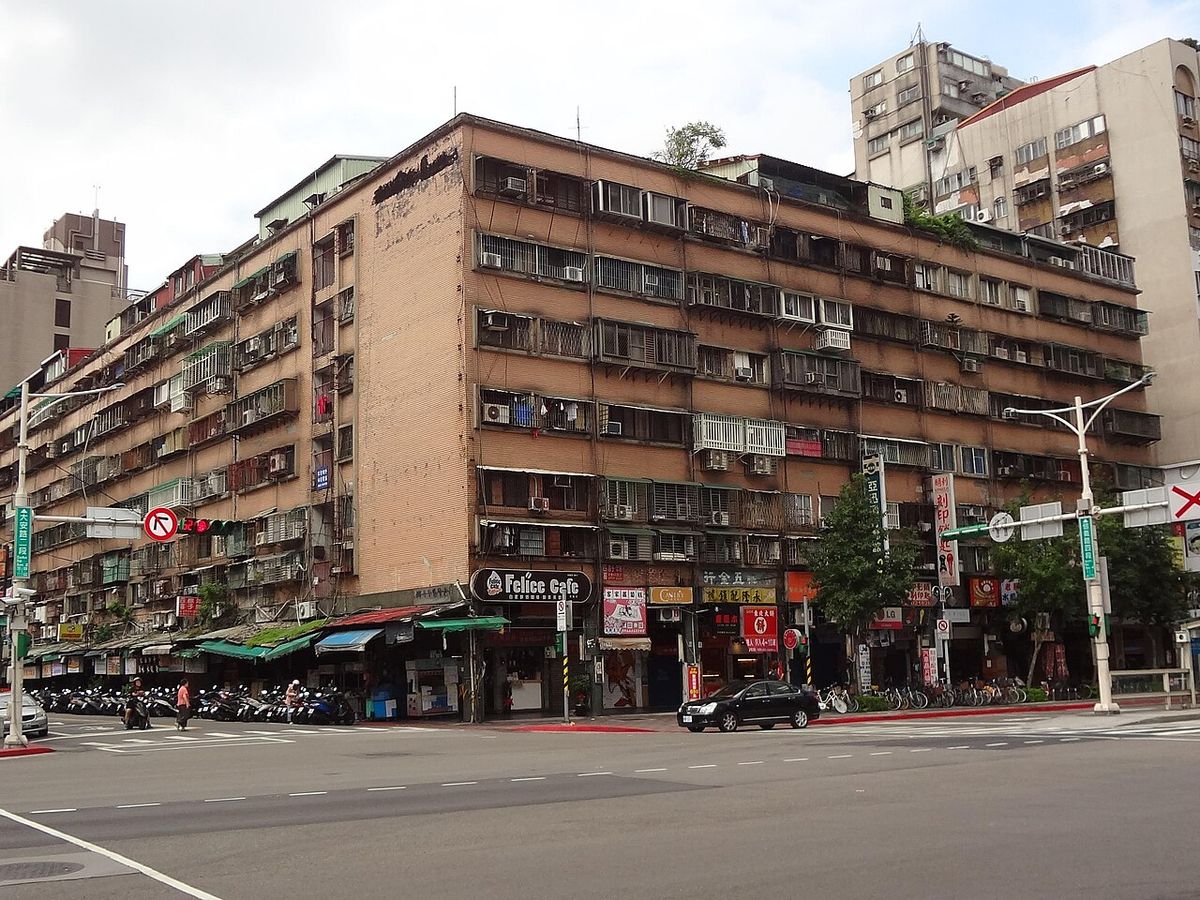
Photo: Solomon203 via Wikimedia Commons, CC BY-SA 4.0
Issue 2: "rent doesn't include tax" (不含稅)
Many private landlords in Taipei don't declare rental income, which explains almost every tax clause you'll meet. A July 2026 Forumosa thread captured it well: a tenant found 不含稅 in the fine print, and the "tax" turned out to add around NT$5,000 to 6,000 a month on top of the advertised rent and management fee. It was never mentioned during the viewing.
The real worry: since the 2024 tax year, tenants who are Taiwan tax residents can take a special deduction for rent of up to NT$180,000 per household per year (with exclusions, for example if you own a home in Taiwan or are in the 20% bracket or higher). Claiming it means your tax filing names the landlord and the rent, which can lead the tax office to their undeclared income.
What the rules say: house tax, land value tax and the landlord's income tax are the landlord's to pay, and a clause shifting a tax increase onto you is void. A clause banning you from claiming the deduction is void too.
What we'd actually do
- Treat 不含稅 as a signal, not a line item. It usually means "if you claim the deduction, expect trouble." If the contract states an extra monthly amount for tax, that's simply higher rent: negotiate it as rent or walk.
- If you want the deduction (worth real money for many salaried foreigners), filter 591 listings with the word 含稅 ("tax included") and confirm in writing that you may declare the rent.
- If you don't care about the deduction, say so before signing. It removes the landlord's fear and often gets you a better price.
There is a carrot for landlords who do it properly. Owners who join the 社會住宅包租代管 programme or register as a 公益出租人 (public-interest landlord, renting to subsidy recipients) get up to NT$15,000 per unit per month of rent income tax-free, plus house and land tax at the lower owner-occupied rates.
Issue 3: electricity at NT$5 or 6 per kWh
In suites and rooms, the landlord usually holds one Taipower account and reads a small sub-meter for your room. Charging NT$5 to 6 per 度 (kWh) is common, and older Forumosa threads report NT$7. Is that legal?
Since 15 July 2024, the MOI rules say that if your room has no meter of its own on Taipower's books:
- Charged per kWh: the rate can't exceed the average price per kWh shown on that period's Taipower bill (當期每度平均電價).
- Charged as a flat fee: the total can't exceed the bill's total.
The old rule allowed up to Taipower's highest tier rate, which landlords used as a default price. That loophole is closed for leases signed since then. Older leases aren't affected retroactively, and a room with its own Taipower meter is billed by Taipower directly.
For reference, Taipower's 2026 residential rates (unchanged since April) run from NT$1.78 per kWh for the first 120 kWh a month up to NT$7.03 (October to May) or NT$8.86 (June to September) above 1,000 kWh. A normal household averages around NT$3 to 4, but a building where many suites share one meter climbs into the top tiers, so NT$5 isn't automatically a rip-off. Ask to see the bill.
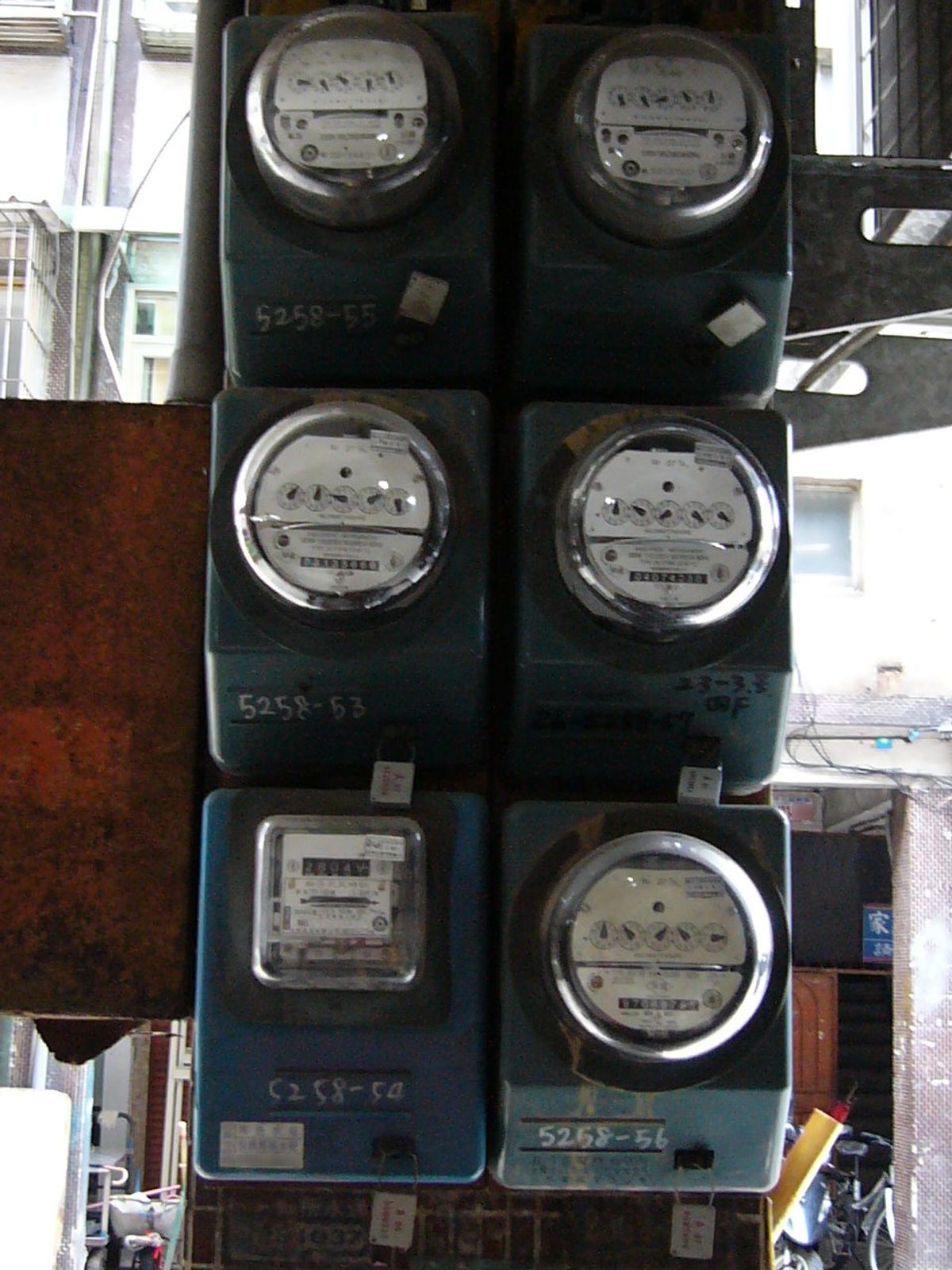
Photo: Solomon203 via Wikimedia Commons, CC BY-SA 3.0
How to check your sub-meter
1. On move-in day, photograph your sub-meter reading with the date visible, and send it to the landlord on LINE.
2. Ask which meter is yours. Flip your main breaker off and check that the disc or digits stop moving.
3. Ask to see the Taipower bill for the period. Divide the bill total by the kWh used: that's your ceiling per kWh.
4. The lease should either disclose the bill information or authorize you to look it up. Taipower runs a rental electricity query service (住宅租屋電費查詢) that tenants can apply for at a Taipower service office.
Overcharging complaints go to your city's land administration office or consumer protection officer, but the rule works best as a negotiating point before signing.
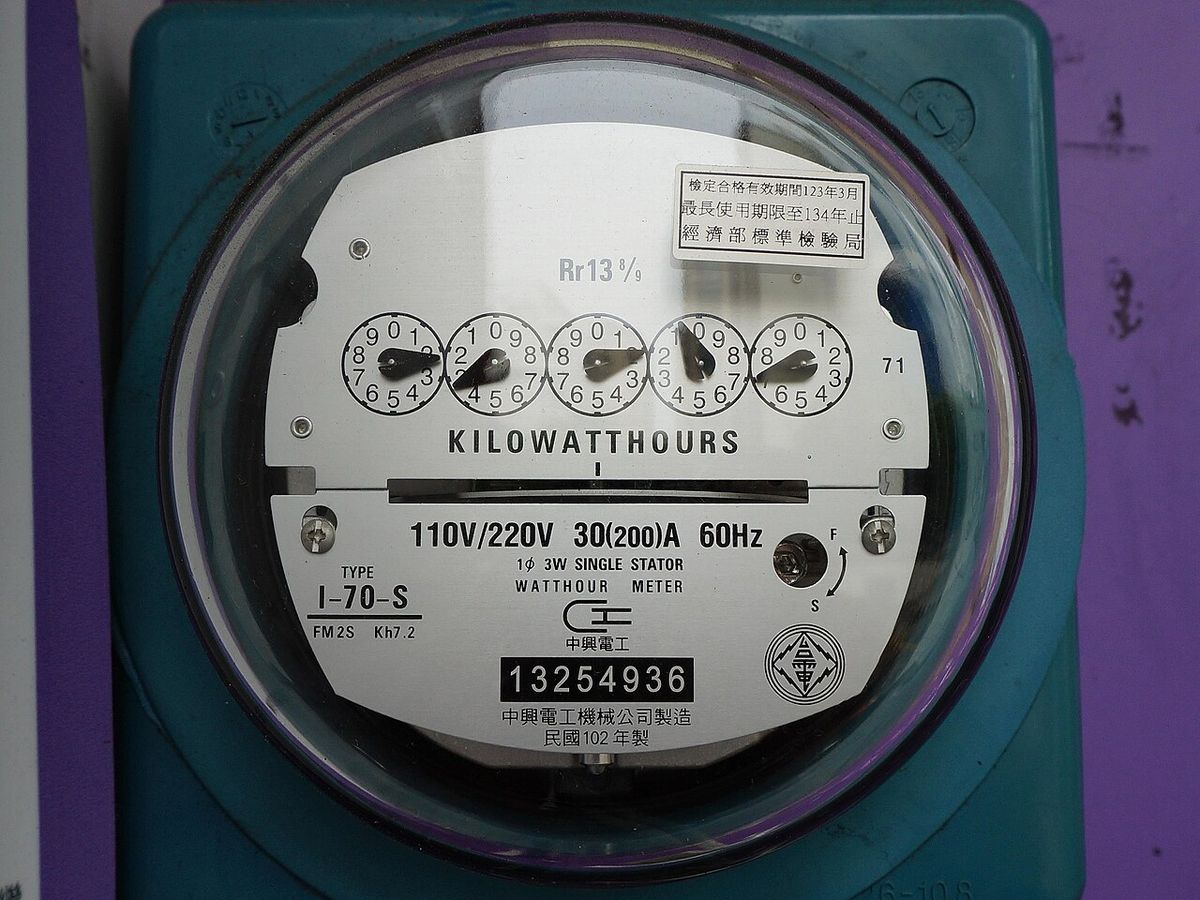
Photo: Solomon203 via Wikimedia Commons, CC BY-SA 4.0
Issue 4: "you can't register this address"
Foreigners don't get Taiwanese household registration (戶籍); your address lives on your ARC, handled by the National Immigration Agency. When you move, you must update it within 15 days, and the NIA asks for proof of residence: a lease is enough. Only if you're staying for free with someone does it need the owner's ownership certificate or ID copy plus a consent letter. The reissued card costs NT$500.
Landlords who refuse fear the address trail leads to undeclared rental income, though forum regulars note the bigger red flag for the tax office is the rent deduction, not an ARC address. A clause forbidding registration is void anyway.
The real problem is a landlord who won't sign a written lease at all: then you have nothing to show the NIA. Our rule: no written lease, no deal. If the landlord's worry is tax, offer the trade from Issue 2 (you won't claim the deduction) in exchange for a proper lease. Details on the process are in our guide to household registration and your ARC address.
The smaller lines: what's included, and the deposit
Water, gas, management fee, internet. Get each one written as "included" or "billed at X". 含水 (water included), 含管理費 (management fee included) and 含網路 (internet included) are the words to look for. Typical amounts are in hidden costs beyond rent.
Deposit. By law the deposit (押金) can't exceed two months' rent. The landlord must return it when the lease ends and you hand back the flat, minus any actual debts such as unpaid rent or damage beyond normal wear. An automatic "cleaning fee" is worth questioning: offer to return the flat cleaned instead (a booked move-out clean, ours or anyone's, often pays for itself). Disputes can go to free mediation (調處) at the city government.
Questions to ask before signing
- Are you the owner? If not, can I see the owner's written consent to sublet?
- Can I see your ID and the registry transcript or ownership certificate?
- Does the rent include tax? Can I declare it on my tax return?
- How is electricity charged: own Taipower meter, or sub-meter? At what rate per kWh, and can I see the bill?
- Can I use this address for my ARC, and will you sign a written lease in my name?
- Are water, gas, management fee and internet included?
- Is the deposit two months or less, and what exactly can be deducted from it?
For a shorter starter list, see five questions to ask a landlord before you sign, and if the unit is a partitioned suite or a rooftop add-on, read rooftop additions and subdivided units too.
How we go through the fine print with you
Reading these clauses with you before you sign is a standard step of our home search, not an extra:
- We check who you're dealing with. We ask to see the landlord's ID and compare it with the registry transcript or ownership certificate, and if it's a 二房東 we ask for the owner's written consent to sublet.
- We go through the contract clause by clause and explain each one in English: 不含稅 wording, the electricity rate and metering, ARC address and a written lease in your name, what's included and what can come out of the deposit.
- We raise the problems in Chinese on the spot, so a NT$6 per kWh rate or a "no address registration" line gets fixed or negotiated before signing, not argued about later.
If you've found a place and want a second pair of eyes, or you want help from the search onward, contact us here.