
Health Insurance Before NHI Taiwan Coverage Starts: What to Buy for Your First 6 Months
By Raytio Ray
Health insurance before NHI Taiwan coverage starts: who waits 6 months, real self-pay clinic and ER prices, and the cheap plans we'd actually buy for the gap.
Sorting out health insurance before NHI Taiwan coverage starts is one of the few things newcomers genuinely forget, because everyone tells you Taiwan's National Health Insurance is cheap and excellent. It is. But unless you have a job here, you can't join it for your first six months. This guide covers who waits, what a doctor actually costs while you're uninsured, and what we'd buy for the gap depending on your age and situation.
Who has to wait six months (and who doesn't)
The rule comes from the National Health Insurance Administration (NHIA) and is repeated word for word by universities and the Gold Card office: if you hold an ARC but are not employed in Taiwan, you join NHI after six months of continuous residence. You're allowed one trip abroad of up to 30 days during that time; the days away are subtracted, so the clock pauses rather than resets. Leave twice, or once for longer than 30 days, and you start again from your next entry (Taiwan Gold Card Office, NHI eligibility sheet, NTU international students).
Covered from day one:
- Employees with a work permit. Your employer must enroll you from your first day of employment. This includes Gold Card holders who take a Taiwanese job.
- Spouses and minor children of foreign professionals (white collar work permit holders and Gold Card holders who are employed or run their own Taiwan business). Under the Act for the Recruitment and Employment of Foreign Professionals, they can enroll from the date they get their residence permit, not after six months.
- Gold Card holders who are business owners or self-employed in Taiwan, from the date they qualify as such.
- Babies born in Taiwan with a valid residence permit, from their date of birth.
Has to wait six months:
- Degree students and language students with an ARC.
- Gold Card holders without a Taiwanese employer (remote workers, freelancers paid from abroad), and their spouses and children. One Forumosa member said they were turned away at the NHI office for exactly this reason, despite holding a Gold Card.
- Spouses of Taiwanese citizens who aren't working here.
- Retirees and returning overseas Taiwanese who have been away a long time. A thread from a family planning to move parents in their 80s back to Taiwan confirmed the rule applies to them too, and that you can't "start the clock" and fly home: you have to actually be here.
If you're still figuring out which visa route fits you, our guide to the Gold Card and other residency options explains them.
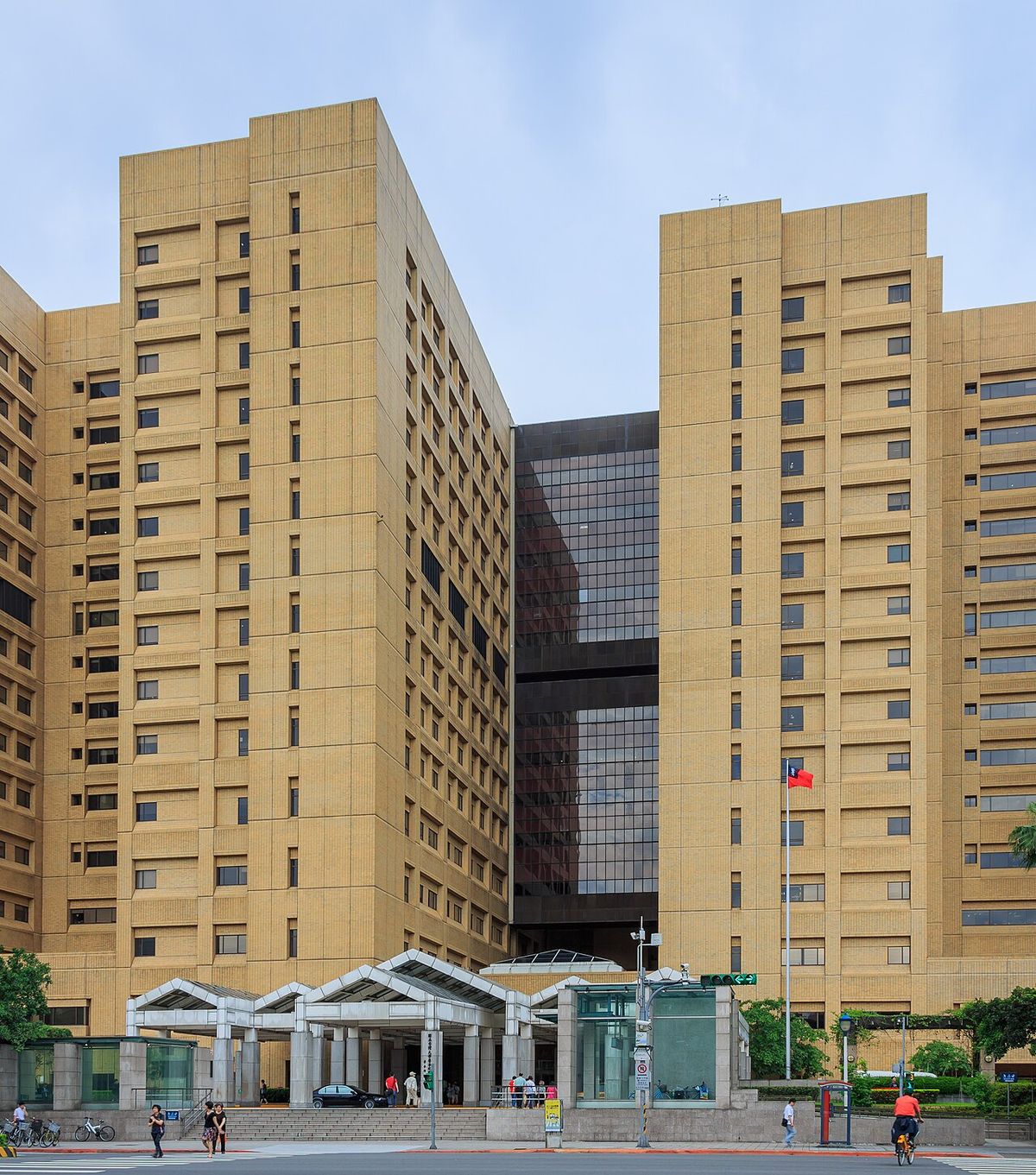
Photo: CEphoto, Uwe Aranas via Wikimedia Commons, CC BY-SA 4.0
What seeing a doctor costs without NHI
Here's the part that makes the gap less scary than it sounds. Taiwan's self-pay prices are a fraction of what Americans (and many Europeans paying privately) are used to.
- Neighborhood clinic (診所) for a cold, rash or sore throat: expect roughly NT$500 to 1,000 including a few days of medicine. One Forumosa regular put an uninsured hospital outpatient visit at "from about NT$600". With NHI, the same visit is a couple of hundred NT dollars.
- International clinic at a big hospital: Taipei Veterans General Hospital charges uninsured foreigners an NT$1,500 consultation fee plus NT$500 registration, before tests and drugs. Expect NT$2,000 to 4,000 once a blood test or X-ray is added.
- Emergency room, simple case: a few thousand NT dollars. One uninsured visitor on Forumosa paid NT$3,500 at a hospital to have bad blisters treated. Add a CT scan and you're looking at more.
- Hospital admission: Veterans General's international rates add an NT$5,000 service fee per admission and charge the ward at 1.3 times the standard rate, with a minimum of NT$2,000 a day. As a rough guide for a short surgical stay, an older study of NHI cost data put the average appendicitis case at around NT$40,728; self-pay at a medical center will be higher than that, but still in the tens of thousands, not hundreds of thousands.
- The real risk: serious trauma, ICU time or cancer. That's where bills reach several hundred thousand NT dollars, and where insurance actually earns its money. One family on Forumosa paid for an ER visit, surgery and a month in hospital for an elderly father entirely out of pocket and said it was still "comically" less than his US deductible would have been.
One more cost that surprises people: regular prescription medicine. Someone who waited out the six months without insurance said they bought the cheapest versions they could at pharmacies to keep a chronic condition stable, because some drugs are expensive without the NHI subsidy. If you take daily medication, bring six months' supply from home with a doctor's letter.

Photo: 玄史生 via Wikimedia Commons, CC0
Your options for the gap, ranked
1. Nomad or long stay travel medical insurance (our default pick)
Regular travel insurance is built for trips: many policies cap a single trip at 30 to 180 days, need a return ticket, or stop covering you once you become a resident somewhere. Read that clause before you rely on a policy you bought with your flight.
Subscription plans built for people living abroad avoid this. SafetyWing Nomad Insurance Essential is from about US$63 per 4 weeks for ages 18 to 39 (September 2026 pricing), with a US$250,000 medical limit, no deductible, monthly billing you can cancel, and availability up to age 69. Genki Traveler (Genki's old Explorer plan is closed to new buyers) runs up to 12 months, has a €1,000,000 limit, a €50 deductible per case that's waived for inpatient stays, and is sold up to age 69. Both exclude pre-existing conditions and routine checkups.
2. Your school's student plan (students: just take it)
Universities require cover until NHI starts and usually enroll you automatically. At NTU it's a Cathay Life group plan costing NT$3,000 for six months, non-refundable. You can only opt out if your home insurance is verified by the Taiwan mission in your country. The catch is the limits: outpatient visits are reimbursed up to NT$1,000 each, and the Cathay student plans schools use typically cap surgery and hospitalization at around NT$120,000 per claim. That's fine for colds and a minor operation, thin for a serious accident. If you ride a scooter or do sports, add a SafetyWing month or two on top. Our NTU vs NTNU guide covers the schools themselves.
3. Full international health plans (Cigna Global, Allianz Care and similar)
These are real health insurance, not travel cover: outpatient, chronic care, sometimes maternity and dental, and they continue if you move on from Taiwan. They're also expensive: Cigna Global Silver for a 30 year old, worldwide excluding the US, is quoted at around US$200 a month, and prices climb steeply with age. Pregnancy cover usually has a waiting period of about a year. For a six month gap before NHI they rarely make sense. They make sense if you'll keep them for years as a second layer, or if you have a condition a nomad plan won't touch.
4. Taiwanese private insurance
ARC holders can buy policies from local insurers such as Cathay, Fubon and Nan Shan, often through an English-speaking agent. Long-term residents on Forumosa report paying roughly NT$7,000 to 14,000 a year in their early 60s for supplemental health cover. But most local medical policies are designed as top-ups to NHI (private rooms, caregivers, treatments NHI doesn't pay for), underwriting takes time, and insurers rarely accept new customers in their 80s. Buy one once you're on NHI if you want the extras. For the gap, the only local product we'd consider is a cheap personal accident policy (意外險) if you ride a scooter.
Health insurance before NHI Taiwan coverage starts: what we'd buy
- Healthy, under 40, working remotely or studying Mandarin: SafetyWing Essential for six months (roughly US$400 in total), plus NT$20,000 to 30,000 in savings you're mentally prepared to spend on clinics. That's it.
- Degree student: your school plan, plus a nomad plan if you ride a scooter or hike seriously.
- Couple or family on a dependent visa or non-employed Gold Card: Genki Traveler or SafetyWing for each person. With kids, budget for frequent clinic visits out of pocket; they're cheap, and the insurance is for the hospital trip you hope never happens.
- 40 to 69 with any health history: still get a nomad plan for accidents and new illnesses, but understand it won't pay for anything pre-existing. Bring medication, and look at Cigna Global only if you want a plan to keep long term.
- Over 70: most products stop selling at 69. Plan to self-insure: keep at least NT$200,000 accessible, and choose an apartment near a major hospital such as NTU Hospital, Veterans General or Mackay.
Why are we comfortable recommending the cheap plans? Because in Taiwan the small stuff is cheap enough to pay yourself. You're not insuring the NT$700 clinic visit; you're insuring the scooter accident. Ultra-cheap emergency cover plus a cash buffer beats an expensive comprehensive plan for a six month gap almost every time.
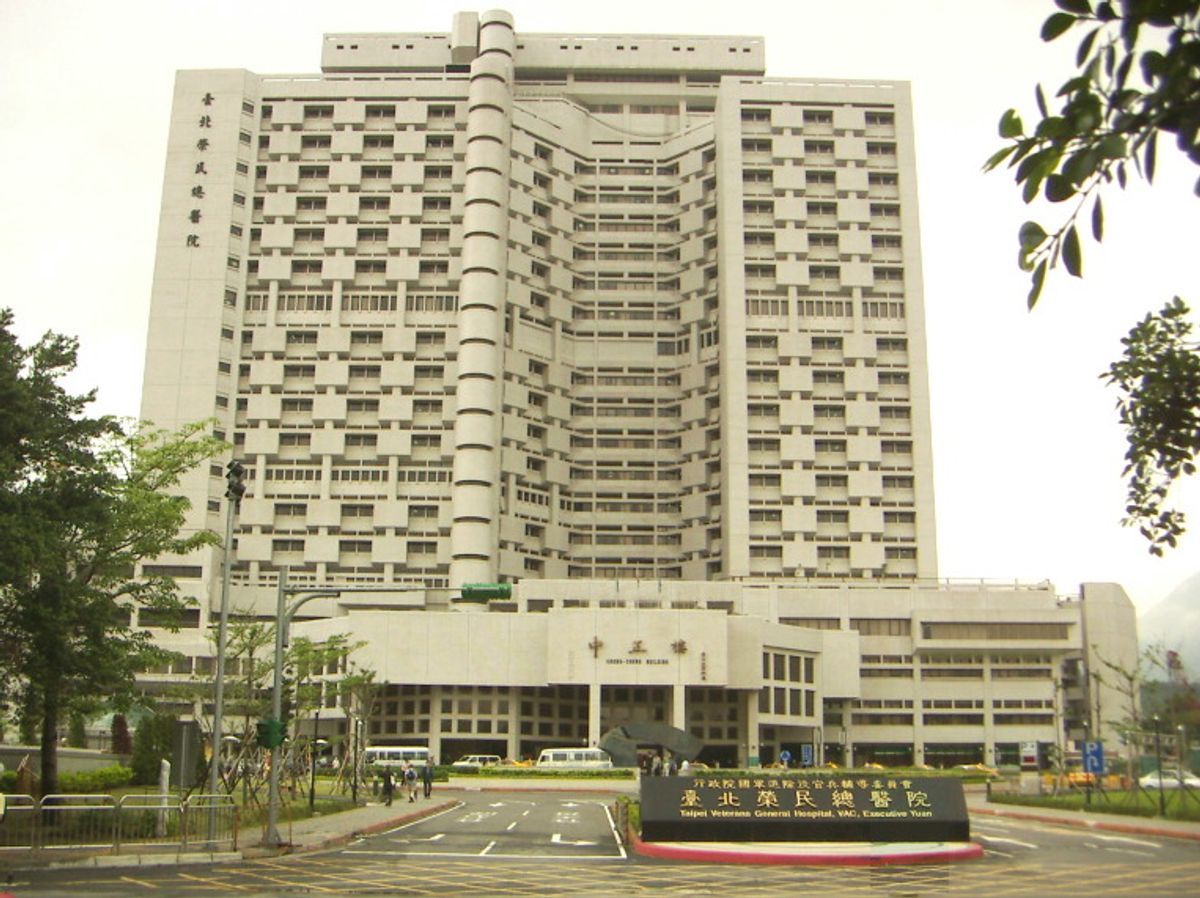
Photo: KaurJmeb (zh.wikipedia) via Wikimedia Commons, CC BY-SA 3.0
After month six
Don't wait for someone to tell you. On the day you hit six months, go to your district office (students go through their school) and enroll. NTU lists the student NHI premium at NT$4,956 per six months, about NT$826 a month. Then cancel your nomad plan. Once you're in, here's how NHI works for foreigners and how to find an English-speaking doctor or dentist in Taipei. For the other things worth sorting before you fly, see our list of things to know before moving to Taiwan.